
Heated public pushback as Utah committee advances water-rights bill critics say could narrow Great Salt Lake protections
Get AI-powered insights, summaries, and transcripts
Subscribe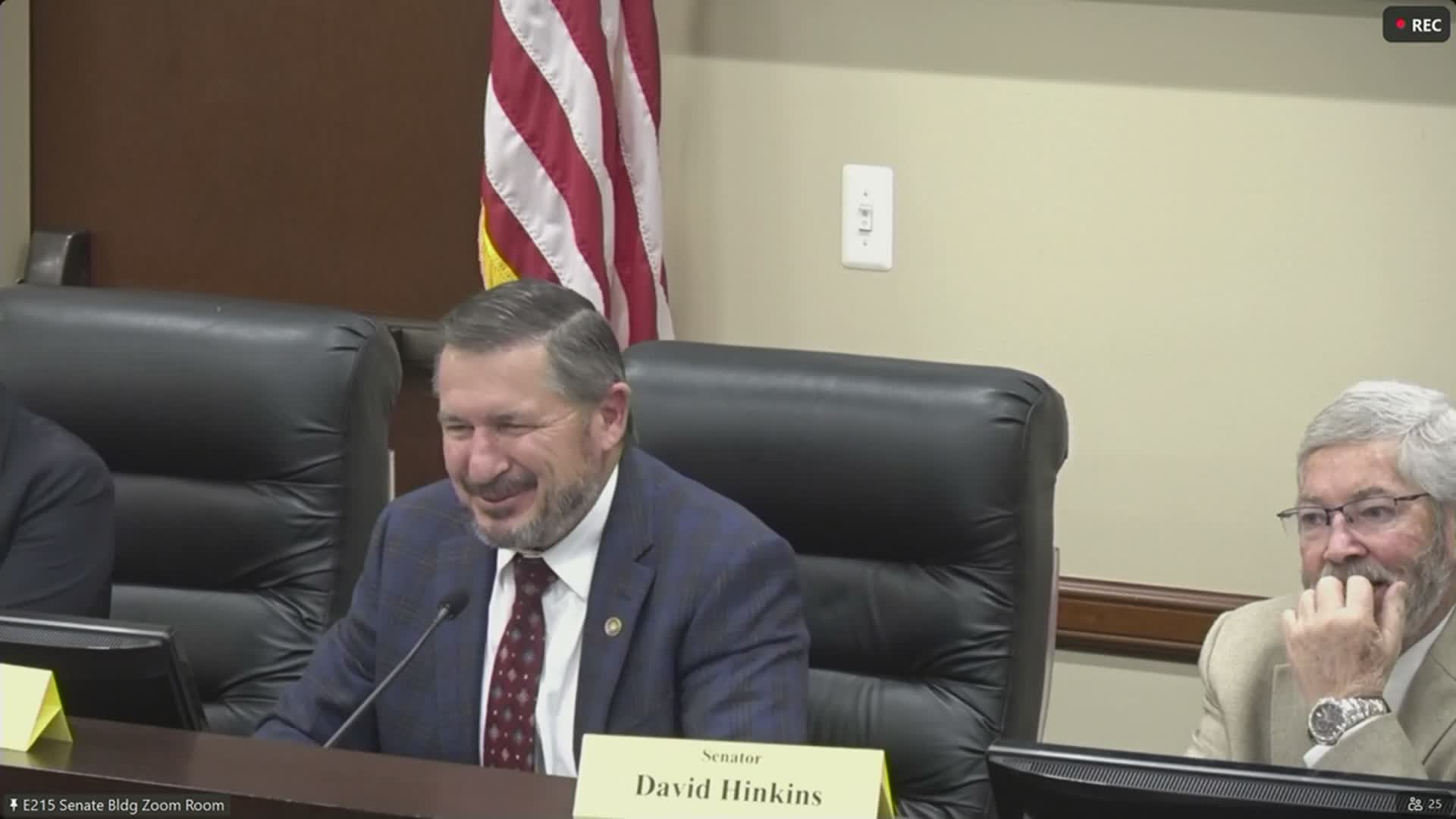
Summary
After hours of testimony that included physicians and environmental groups warning the bill could weaken protections for the Great Salt Lake and public health, the Senate Natural Resources Committee favorably recommended HB60, a measure that clarifies the state water engineer’s permit-review role but drew opposition over narrowing 'public welfare' considerations.
The Senate Natural Resources, Agriculture and Environment Committee on Feb. 11 advanced House Bill 60, a substitute measure that sponsors say clarifies and narrows the state water engineer’s statutory role to reviewing water applications on questions of quantity, quality and availability.
Representative Carl Schallenberger, the bill sponsor, said the substitute is intended to streamline a technically complex permitting process and does not change who can protest an application. Theresa Wilhelmsen, Utah’s State Engineer and Director of the Division of Water Rights, told the committee the substitute preserves beneficial-use concepts and existing protections including instream-flow authorities and other statutory provisions.
But the bill drew extensive public opposition during an afternoon of testimony. Physicians, public-health experts and conservation advocates told the committee HB60 would reduce the state engineer’s ability to weigh public-health, air-quality and ecosystem impacts tied to declines in the Great Salt Lake. "HB 60 fundamentally narrows the state water engineer’s ability to consider whether a proposed water right is detrimental to the public welfare," said Dr. Caroline Joyce, who testified representing herself. Dr. Brian Minch, president of Utah Physicians for a Healthy Environment, warned the bill could jeopardize communities near the lake by making it harder to factor dust and related health risks into water decisions.
Proponents including the Great Salt Lake Commissioner and agriculture representatives urged the committee to adopt technical updates and said the substitute actually helps bring relevant statutory water-policy goals into the engineer’s review. Warren Peterson of the Farm Bureau noted an added substitute phrase that directs the engineer to consider other factors "specifically directed by statute," which he said folds in the legislature’s water-policy library.
After debate that highlighted divergent regional and sectoral concerns, the committee voted to send the first-substitute HB60 with a favorable recommendation to the full Senate. The vote was recorded as 5 in favor and 1 opposed in committee proceedings.
The next legislative step is consideration by the full Senate, where the bill’s backers can further explain how the substitute interacts with existing statutes and where opponents will continue to press for protections tied explicitly to the Great Salt Lake.