
Committee holds bill that would ban grading or tracking students’ subjective 'character' data after hours of heated testimony
Get AI-powered insights, summaries, and transcripts
Subscribe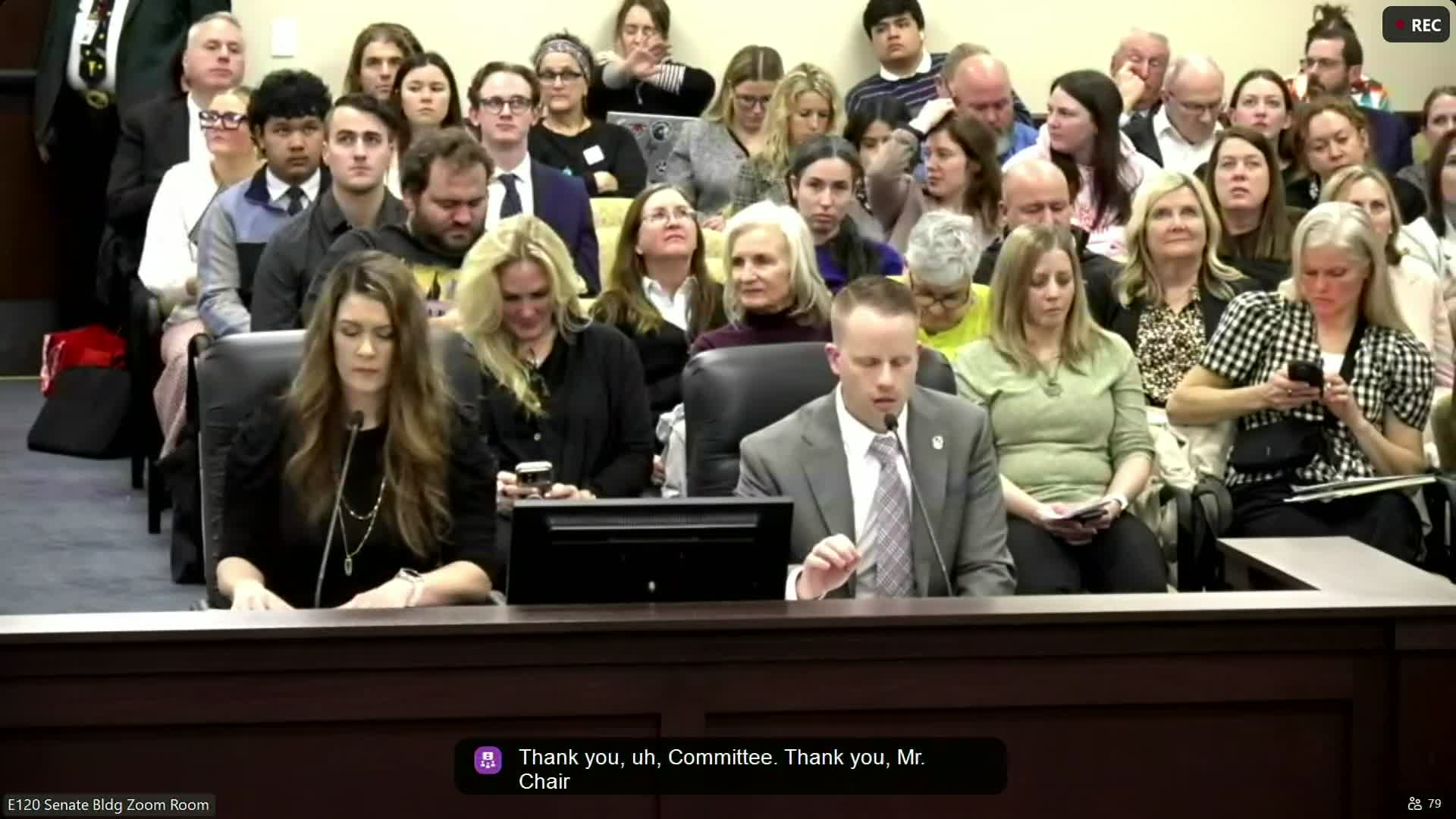
Summary
After extensive testimony from parents, researchers, educators and school officials, the committee voted unanimously to hold HB399, a bill that would prohibit schools from grading, scoring or tracking students’ subjective social‑emotional ‘character’ attributes and that would create enforcement mechanisms.
The House Education Committee voted to hold HB399 after an extended hearing in which witnesses and members sharply disagreed over scope, definitions and consequences.
Representative Lee, the bill sponsor, said HB399 protects parental rights and prevents schools and vendors from creating persistent records of subjective traits such as compassion and integrity. The sponsor cited vendor dashboards and a statewide "data backpack" that aggregate student measures and warned of what she called the risk of “personality passports” that could follow students. “Let schools be the judge of a child's education. And let God be the judge of a child's character,” Representative Lee told the committee.
Supporters — parents, former school board members and independent researchers — emphasized examples of district‑level tracking dashboards and alleged market incentives for SEL vendors. Witnesses described sample dashboards and a master transcript that, they said, can score subjective traits and argued that such systems can lead to permanent records and discrimination.
Opponents included classroom teachers, mental‑health practitioners, district staff and the PTA. They warned HB399 could unintentionally limit classroom management, prevention services and surveys used to identify students at risk of harm. Megan Jensen, a clinical psychologist working in Davis County schools, told the committee the programs she teaches “do not grade or rank students” and that SEL skills can be important for students to regulate and learn. Susanna Burt (Utah Prevention Advisory Committee) cautioned that the bill could restrict suicide prevention screening and other prevention services provided in schools.
Committee discussion focused heavily on definitions. Some members said the bill’s language was too broad and could conflict with recently passed measures or ongoing health and behavior initiatives; others supported a strong statutory boundary against data collection of subjective traits. Representative Thompson moved to hold the bill to allow further work; Representative Lee supported taking more time to refine the language and the motion to hold passed unanimously.
What happens next: The sponsor and committee members indicated they would work on technical clarifications and carve‑outs with stakeholders before a bill would be scheduled again.