Get Full Government Meeting Transcripts, Videos, & Alerts Forever!
Get email alerts on the County Employment topic
No spam. Unsubscribe anytime.
Committee advances bill letting sheriffs exempt command staff from county merit systems; public employees opposed
Summary
HB 3 35 would let elected sheriffs designate command-level positions (potentially down to lieutenant) as career-exempt; proponents say it preserves alignment between elected sheriffs and command staff, while the Utah Public Employees Association warned it would remove due-process protections for some public safety officers.
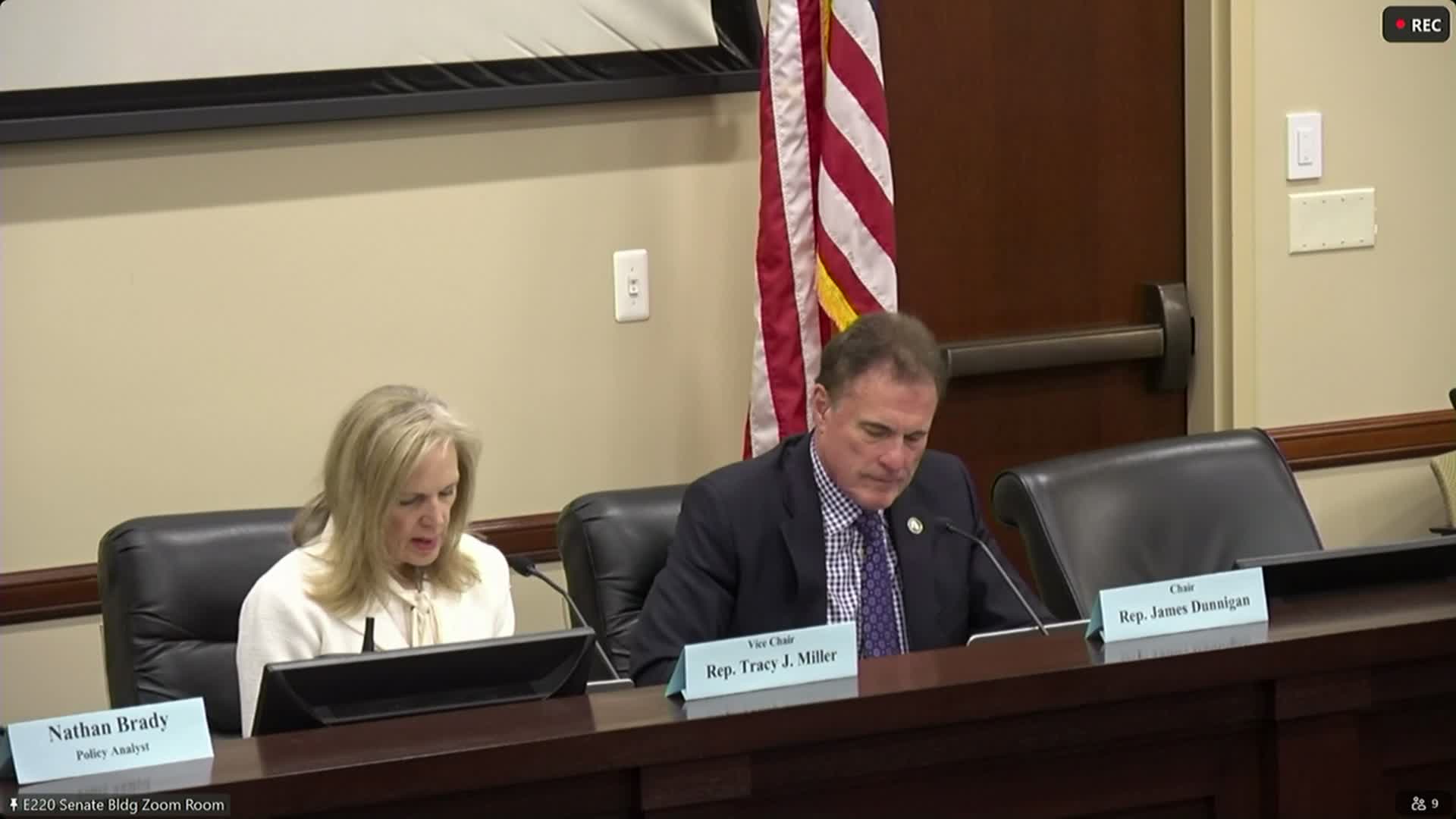
Representative Christopherson presented HB 3 35 as a targeted change allowing sheriffs to set which command-level positions are exempt from county merit systems. The sponsor said the proposal is optional for sheriffs and intended to strengthen executive accountability by aligning command staff with the sheriff’s policy direction while preserving merit protections for deputies and sergeants.
Sheriff Ryan Arden of Weber County testified that command staff implement policy and must be aligned with elected leadership; he said the bill was discussed with the Sheriffs Association and that many smaller counties do not use the merit system the same way larger counties do. Sponsors said the bill would let each sheriff define command level appropriate to that office’s structure.
Corey Holdaway of the Utah Public Employees Association told the committee that career service protections exist to prevent political retaliation and provide due process, and he urged rejection of the change. Committee members asked practical questions about rank definitions (lieutenant vs. captain) and transitional rules for incumbents. Sponsors repeatedly said the change is optional and current employees retain choices: incumbents would not be forced to lose career status immediately.
Several members requested alternative drafting that would tie exemption to organizational proximity to the elected sheriff (for example, positions one or two degrees removed from the sheriff), rather than rank titles that vary by county. The sponsor and sheriffs signaled flexibility to work with committee members and return with adjusted language. The committee ultimately moved on to the next agenda item to allow further drafting; the sponsor agreed to meet with interested members and return to committee.