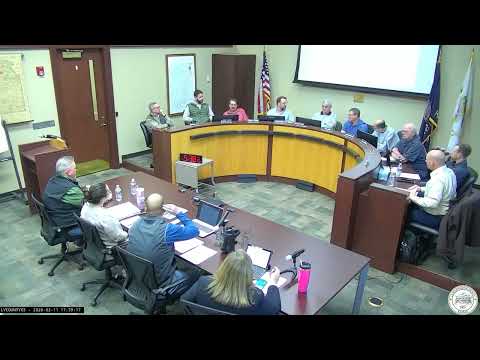
County staff outlines targeted comprehensive-plan updates, recommends changing review cycle to 5–10 years
Loading...
Summary
Planning staff presented an annual comprehensive-plan study session recommending one formal amendment (change internal update cadence from 3–5 years to 5–10 years), flagged transportation and utility studies tied to regional projects, and signaled budget requests for 2028.
Planning staff opened a study session (not a public hearing) to review the county’s comprehensive plan and recommended one formal amendment: change the internal plan-review interval from every 3–5 years to every 5–10 years, aligning review timing with the county’s development pace and budgeting cycle.
Staff said many strategies in the plan are ongoing and explained that an exhaustive rewrite is not anticipated unless “drastic” changes occur. The presentation prioritized a targeted approach — focusing resources on portions of the plan likely to be affected — and recommended pushing some large reviews (including a thorough examination of the US-2440 corridor study) into late 2026 and 2027 because those reviews are time-consuming and contingent on additional data.
Commissioners raised transportation and annexation concerns tied to regional activity, including questions about how KDOT and neighboring jurisdictions’ studies will influence county planning. Staff estimated KDOT follow-up work and travel-demand data can take 12–18 months to produce definitive guidance and said traffic studies will feed trip-generation numbers to inform any changes in the comprehensive plan.
Staff also noted some implementation items — for example, updating county road standards — depend on BOCC funding and that public-works timelines foresee final road-standard updates by December 2027. On utilities, staff discussed the need for watershed and systems analyses and said utility service expansions (sanitary sewer, water) usually require contracted engineering and significant funding; staff flagged the potential need to request budget dollars for plan updates in fiscal 2028.
A commissioner referenced major regional developments and cited a projected $6,000,000,000 stadium as an example of the kinds of adjacent projects that could create spillover impacts; staff said these kinds of changes require definitive project plans before the county can react.
Staff concluded the session by saying the comprehensive plan is a living document, that staff will return with targeted amendments and budget requests as specific applications or definitive plans arrive, and that commissioners should expect follow-up materials ahead of any formal amendment process.
No formal board action was taken during the study session; staff recommended scheduled next steps and potential budget planning for targeted updates.