
Senate Substitute for SB288 Changes How Ag Authorities Fill Vacancies and Buy Equipment; Substitute Passes on Roll Call
Get AI-powered insights, summaries, and transcripts
Subscribe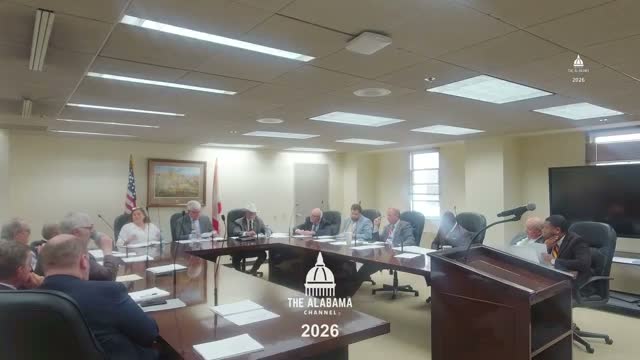
Summary
Committee adopted a substitute for SB288 that lets ag-authority members select replacements instead of political appointments, and allows procurement off an alternative national purchasing list in addition to the state bid list; the substitute passed on roll call with the chair reporting '8 3 with 2 abstentions.'
Sponsor presented a substitute to SB288, explaining the principal changes: allow replacement members on an agriculture authority to be selected by remaining members (rather than appointed solely by county commission or legislators), and permit purchasing from an alternative national purchasing service in cases where items or suppliers are not on the state bid list. The sponsor said the substitute also clarifies rotation and term processes for authority members and cited the authority's experience of purchasing equipment from vendors not on the state bid list.
Several senators questioned whether the bill, which was drafted in response to a local situation, should be applied statewide. Sponsor said the substitute is available to any county that chooses to use this authority model and offered to consider amendments that would limit application to previously established authorities (for example, making an effective cutoff date such as entities existing as of a certain date).
Senator Jones asked procedural questions about how many authorities exist and how the replacement process would work; sponsor answered that current practice for one existing authority is for remaining members to discuss and pick successors and that terms/rotation depend on the authority's bylaws. Senator Price and others described mixed experiences with ag authorities and expressed concern about internal appointment processes. Senator Singleton said politics could influence appointments if the current system of political appointment remains; sponsor said internal selection could reduce political interference in some cases.
The committee took a roll-call vote on the substitute; a number of members recorded 'Aye' or 'No' during roll call, and the chair announced the result as "8 3 with 2 abstentions" and gave the bill a favorable report.