Get Full Government Meeting Transcripts, Videos, & Alerts Forever!
Senate committee hears competing views on SB34 substitute aimed at keeping data‑center costs off residential bills
Summary
A committee substitute for SB34 would require contracts with large electricity customers (data centers) to include protections (minimum billing, credit and termination provisions) and seeks to bar shifting infrastructure costs to residential customers; witnesses warned PSC approvals and Georgia Power build‑outs could leave ratepayers exposed and urged stronger statutory backstops.
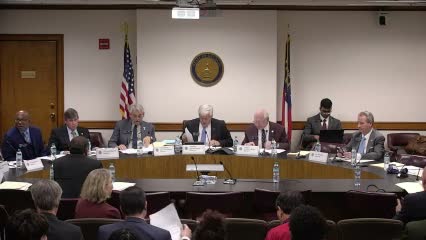
Senators considered a committee substitute (LC566566S) associated with Senate Bill 34 that folds in language from House Bill 1063 and would require contracts between electric utilities and large‑load customers to include terms designed to protect residential and retail electricity customers from costs associated with serving those customers.
Sponsor testimony emphasized two objectives: require contract terms such as minimum billing to recover incremental costs and prevent utilities from shifting the cost of infrastructure built for data centers onto residential ratepayers. The sponsor said his original language — which…
Already have an account? Log in
Subscribe to keep reading
Unlock the rest of this article — and every article on Citizen Portal.
- Unlimited articles
- AI-powered breakdowns of topics, speakers, decisions, and budgets
- Instant alerts when your location has a new meeting
- Follow topics and more locations
- 1,000 AI Insights / month, plus AI Chat