
Marcel Felipe urges exile unity, warns Cuba’s system differs from other transitions
Get AI-powered insights, summaries, and transcripts
Subscribe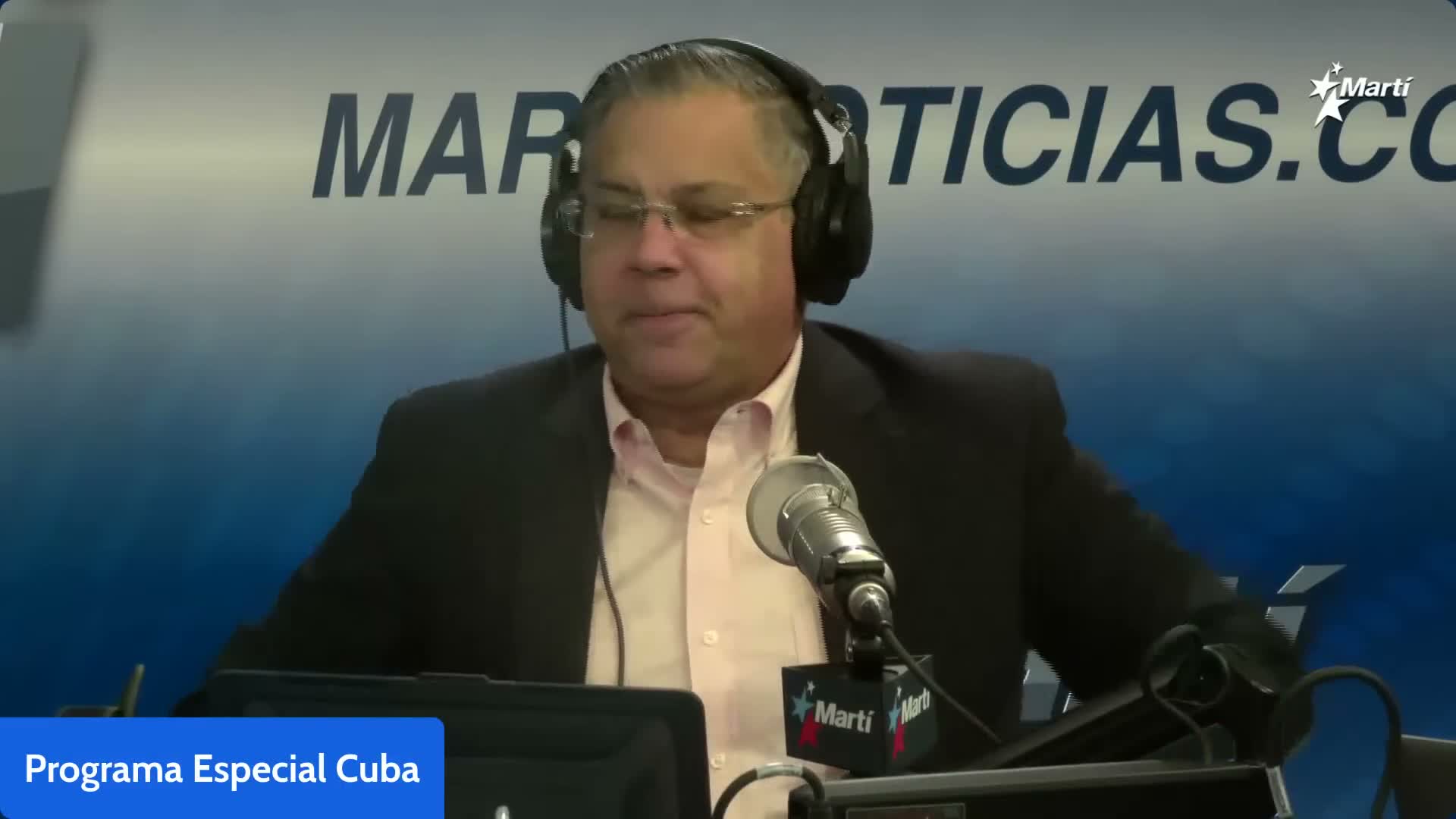
Summary
In a Radio Martí interview, Marcel Felipe, president of Fundación Inspira América, said Lech Wałęsa’s visit is timely for building a unified Cuban opposition, warned Cuba’s monarchical power structure makes negotiated reform difficult, and raised reports of Russian fuel shipments and pressure points such as remittances and medical missions.
Marcel Felipe, president of Fundación Inspira América and the Museo de la Diáspora Cubana, told Radio Martí listeners that the visit of Polish leader Lech Wałęsa is "oportuna" and could help rally a more united Cuban opposition. "Va a ser este año," Felipe said, arguing that Wałęsa’s presence can help translate lessons from Poland — including the church’s role in mobilizing civic unity — into a strategy for Cuba.
Felipe urged the exile community to avoid elevating a single long‑term leader and instead pursue shared, rotating leadership: "la presidencia en el futuro será rotativa," he said. He argued that Cuba’s power structure is more centralized and risk‑averse than Venezuela’s, describing it as a monarchical pyramid clustered around the Castro family and senior security figures. "Cuba no es Venezuela… Cuba es más parecido a Corea del Norte," Felipe said, warning that the island’s security apparatus makes internal reform and defections high risk.
On international developments, Felipe reported that Russian media and quoted embassy sources have indicated possible shipments of crude and fuel to Cuba, though he did not provide shipment dates. He said such moves, if confirmed, would complicate pressure on Havana. Felipe also criticized perceived efforts by regime allies to undermine U.S. lawmakers who support stronger policy on Cuba, naming Senator Marco Rubio as a principal U.S. figure he sees as central to the current U.S. stance.
Hosts and panelists also discussed policy levers they said Washington could use to increase pressure, including travel restrictions, limiting remittance channels and curtailing state‑sponsored medical missions abroad. Panelists named intermediaries and companies (discussed on air as Catapulk and Cubamax) that they said have facilitated travel or transfers; Felipe and cohosts cautioned that remittances are resilient and likely to adapt if formal channels are cut, reducing but not eliminating flows.
The program highlighted youth activism on social media — including reports of state security visits to young dissidents — which panelists said indicates growing domestic dissent and could alter timing and tactics of opposition efforts. Felipe repeatedly framed an optimistic near‑term outlook while acknowledging multiple scenarios for change and the danger of reprisals.
The discussion concluded with hosts noting the practical aim of preparing reconstruction plans and private‑sector initiatives to support a post‑regime transition, and with Felipe saying the exile community is already developing economic initiatives to help stabilize Cuba if change occurs.