Cubamax limits home deliveries to essentials as Cuba’s fuel shortage snarls remittances
Loading...
Summary
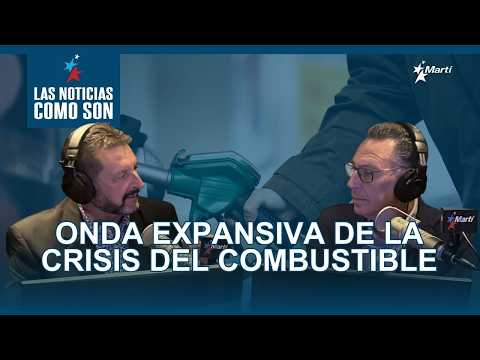
Cubamax said it will accept only food and medicine, limit one shipment per client and suspend home delivery; packages will be available at 239 pickup points as fuel shortages and port congestion hamper distribution, guests told Radio Martí.
Cubamax, one of the largest private parcel companies serving Cuba, announced temporary restrictions on shipments after a worsening fuel shortage that the company said has caused ‘‘demoras significativas’’ in delivery and made normal distribution impossible. The company said it will accept only food and medicines, limit shipments to one per client, serve only existing customers and suspend home delivery; packages can be picked up at 239 designated points across the island.
‘‘La actual y severa escasez de combustible afecta directamente a todos los servicios que requieren distribución y entrega dentro de la isla,’’ a program readout reported, summarizing the company's statement. The changes mark a shift away from door‑to‑door distribution that relatives abroad have relied on to send essentials to family members in Cuba.
Vladimir Turrós, a journalist reporting from Havana, described streets and transport as ‘‘caotic’’ and said much of the available fuel is sold in dollars, leaving state and private transport largely immobilized during long power outages. ‘‘Las personas están trasladándose en los vehículos eléctricos…parecemos un país que ya estamos en guerra,’’ he said.
Leopoldo Luis García, a South Florida journalist on the program, noted that Cubamax’s high profile in recent months brought scrutiny from authorities and regulators, and that other smaller agencies face similar operational limits. He said local licensing actions in Miami‑Dade have affected some firms and increased public debate over remittance channels.
Analysts on the program warned the company’s operational limits will deepen hardship for families who depend on remittances of food and household supplies. Hosts and guests also discussed port congestion at Mariel, where commentators said trucks cannot collect imported goods because of diesel shortages, and raised questions about how small Cuban businesses (MiPyMEs) that use state import channels will fare if the fuel crisis persists.
Officials or regulators did not announce any emergency policy changes during the broadcast. Cubamax’s measures, as described on air, are operational decisions by the company; the program reported them as a response to the logistical collapse tied to fuel scarcity.
The program also aired discussion of international angles — including a Kremlin statement quoted by the hosts — and skepticism from guests about the feasibility of any near‑term, large‑scale fuel shipments from Russia. Meanwhile, airlines and tourism reports cited on air noted disruptions tied to fuel shortages at Cuban airports.
Reporting on the evolving distribution and fuel situation continued throughout the program; no formal government action related to Cubamax was announced during the broadcast.