Get Full Government Meeting Transcripts, Videos, & Alerts Forever!
Get email alerts on the Inspections topic
No spam. Unsubscribe anytime.
Sandy Springs explains how contractors must register and upload MRH trade inspections to OpenGov
Summary
The City of Sandy Springs released a guidance video showing contractors how to create an OpenGov account, complete contact registration, upload electrical, plumbing and mechanical multifamily inspection reports, and meet Dec. 31 and March 31 inspection deadlines.
A City of Sandy Springs staff presenter released a video tutorial explaining how contractors and inspectors must register and submit multifamily housing (MRH) electrical, plumbing and mechanical inspection reports through the city's OpenGov permitting portal. The video walks through account creation, contact registration, required documents, the pass/fail workflow and where to get help.
The presenter said the first step is to log in or sign up on the City of Sandy Springs OpenGov portal and complete a contact registration that will remain on file for future submissions. "You should be a registered contractor. That is a requirement, to be an inspector for any of our trades," the presenter said, noting inspectors must be licensed in the State of Georgia for their trade and must upload a contractor license, government-issued photo ID and the property's yearly business license (a receipt is acceptable during an administrative grace period).
Why it matters: the city set two compliance deadlines tied to inspection outcomes. "December 31 each year, is when we require that a 100% of the initial inspections be completed," the presenter said, adding that units that cannot be inspected count as failed. She added: "For March 31, we do require that a 100% have been passed and inputted into the system." Those dates determine whether deficiencies must be resolved and, the presenter warned, inspection results are connected to business license standing.
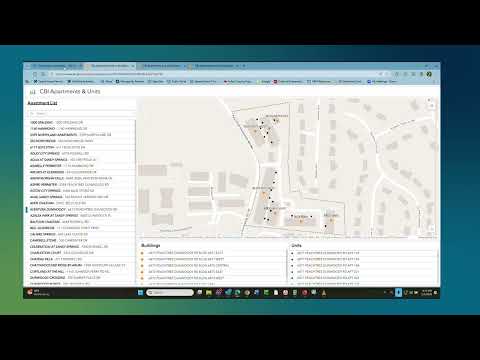
The video demonstrates the submission flow for each trade. Inspectors should use the apartment addressing map in OpenGov to locate properties and unit numbers, select the inspection year (current options discussed were 2025 or 2026), choose the building and unit, and indicate whether the unit can be inspected. For failed inspections the system requires entering required actions, attaching photos and comments, and signing the submission (the signature process requires a witness who cannot be the signer). For HVAC entries the presenter listed required fields including unit age and condition, unit make/model and serial number.
The presenter also reviewed the "My Account" dashboard and the "Permits & Docs" area where inspectors can view drafts, active permits and completed permits. She said renewals and some status changes can take about 24 hours to appear after submission, and encouraged using the portal's messaging feature to exchange photos with property managers and avoid return site visits when appropriate.
On access and guest accounts, the presenter recommended adding a generic property email for guest access so responsibilities persist across property managers, but warned guests cannot add or remove other guests or request renewals — those actions remain with the main account holder.
The city described the MRH inspection schedule as a rolling program: the initial run was moved to 2025, continuing runs in 2026 and 2027, with a pause in 2028–29 and a restart planned for 2030. The presenter also encouraged properties facing major capital expenditures to contact staff in advance (the city offers weekly meetings) to discuss potential equipment replacements before inspections affect licensing.
Contact information provided in the video includes a general MRH email for questions, a GIS contact at gis@sandyspringsga.gov, and a building department contact named Jonathan Livingston described in the video as the lead for the MEP portion of inspections. The presenter closed the video by identifying herself as Sarah Weigel.
The video is an administrative how-to; it contains instructions and deadlines rather than new policy adoptions or votes. For questions about an individual property's inspection status, contractors were directed to the MRH email or to the building department contacts named in the video.