Get Full Government Meeting Transcripts, Videos, & Alerts Forever!
Get email alerts on the Financial Transparency topic
No spam. Unsubscribe anytime.
Board debate over financial transparency centers on credit-card statements; trustees table further discussion
Summary
Trustees pressed administrators for itemized expenditures and credit-card statements; administrators pointed to public check registers while saying policy changes would require board direction. After heated exchanges the board voted to table further discussion but approved the financial statements.
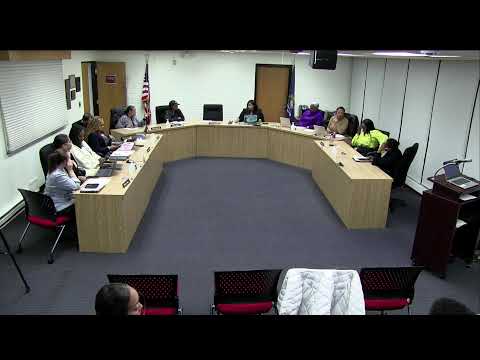
An extended and sometimes heated exchange over financial transparency dominated the Oak Park School Board’s Oct. 27 meeting as trustees demanded itemized attachments to the district’s financial statements, including credit-card statements and salary/fringe detail.
Trustee Corcoran repeatedly asked that credit-card statements and other attachments be provided alongside the monthly financial statements. “I want to see the credit card statements,” she said. Trustees argued the board’s fiduciary duty requires visibility into “expenditures of all monies,” while administrators said the check register and other documents are posted on the district website but that attaching every itemized receipt is not the customary practice.
Administrators cited board policy language governing credit-card issuance and monitoring (policy 5012) and described internal controls: credit cards are issued to designated employees, receipts are submitted to the superintendent and finance office, and reconciliations occur monthly. Dr. Foster explained that some payments (salary/fringe and credit-card bill payments) are handled through reconciliations and the check registry and that bank and accounting processes assign charges to specific accounts.
Trustees disputed whether the current practice met the policy’s intent. The back-and-forth included questions about whether an individual trustee can request statements or whether the full board must direct a change in practice. Multiple trustees characterized the exchange as time-consuming; Trustee Corcoran moved to table further discussion. The motion to table discussion was seconded and passed by roll call. The board subsequently voted to approve the financial statements themselves.
The meeting record shows the board agreed to revisit the topic later; administrators asked for clear direction from the majority of the board if the trustees want routine inclusion of additional attachments with the financial statements.