Get Full Government Meeting Transcripts, Videos, & Alerts Forever!
Get email alerts on the School Nutrition topic
No spam. Unsubscribe anytime.
Oak Park pilot moves plant‑based recipes from tests to school menus after $250,000 state grant
Summary
A district nutrition pilot funded by a $250,000 Michigan Department of Education grant produced five student‑approved plant‑based recipes; presenters said testing, marketing and staff training led to menu additions and strong student engagement.
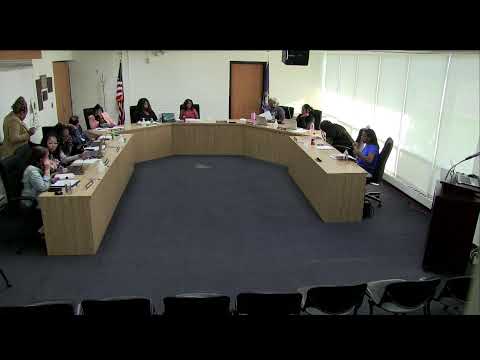
A state‑funded pilot to add plant‑based meals to Oak Park School District cafeterias has produced five student‑approved recipes that will be moved onto school lunch menus, district presenters told trustees at the July 14 board meeting.
Aksha McElroy, who led the project, said the district received $250,000 from the Michigan Department of Education to run a joint pilot with Kentwood. The grant funded five days of student taste tests and complementary outreach including Meatless Mondays, farmer’s market events and parent‑teacher demonstrations.
McElroy described the testing protocol: students used scorecards to rate dishes by appearance, smell and taste, and a recipe needed an 80% approval rating to be added to the menu. She said the program served more than 1,400 plant‑based entrees in April alone and that the highest‑rated item earned roughly a 97% approval rating.
School staff and Principal Sarah — who helped coordinate the pilot at Einstein Elementary — told the board they involved a 4th–5th grade student cohort to center student voice. Staff said students took part in taste tests, helped at the farmer’s market and carried marketing materials such as comic books and stickers to promote the new recipes.
McElroy said favorites included a chicken‑style waffle entrée (served with a plant‑based chicken substitute) and plant‑based mac and cheese; the project also refined recipes after mixed reviews in early rounds. She said staff training and iterative recipe changes were key to making the meals acceptable to students and cafeteria personnel.
The presenter credited Chartwells for operational collaboration and said the team plans to continue rotating student‑selected options, present the project to the School Nutrition Association and the Michigan Department of Education, and share materials for other districts to replicate the work.
The board asked several logistical and programmatic follow‑ups during a brief Q&A, including how approvals were counted and which recipes will enter summer meal programs. McElroy answered that recipes meeting the 80% threshold will be added and that the team will continue testing during the summer program.
The presentation ended with district staff and trustees thanking the project team and students; there was no formal board action tied directly to the presentation.