Get AI Briefings, Transcripts & Alerts on Local & National Government Meetings — Forever.
Virginia subcommittee forwards bill to regulate and tax electronic gaming devices after reconsideration
Summary
A House subcommittee reported a substituted version of House Bill 12 72, which would regulate and tax electronic gaming devices ("skill game machines") with limits on location, device counts, age and wager, and a delayed effective date; the bill was referred to Appropriations after a reconsideration changed the vote to 14–7.
A Virginia House subcommittee on housing and consumer protection reported a substituted version of House Bill 12 72, patroned by Delegate Hayes, that would establish statewide rules for electronic gaming devices commonly described in the text as “skill game machines.” The substitute moved by a subcommittee member tightens device limits, raises the tax rate, and adds player safeguards.
The substitute would define and restrict where electronic gaming devices may be operated, reduce the originally proposed number of devices, and set specific caps: two devices per establishment that holds an ABC license and five devices per truck stop. It would require distributors to install electronic identification terminals that verify player age via a scanned state-issued ID, set a maximum wager of $1 per play and a minimum player age of 21, and allocate a percentage of tax revenue to a problem-gambling treatment and support fund. The substitute also authorizes localities to adopt ordinances or hold referenda to prohibit devices locally, imposes advertising limits and independent laboratory review requirements, and sets a delayed effective date of January 1, 2027 with expiration of the bill’s provisions on January 1, 2030.
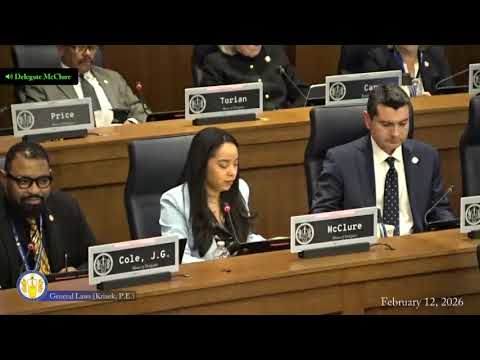
The committee first reported the substitute to Appropriations on a 15–6 tally. Delegate Cole then asked to reconsider that report so a member could change a vote; the committee agreed to reopen the question. After the roll was reopened and members voted again, the substitute was reported to Appropriations on a final recorded vote of 14–7.
No individual mover or seconder for the substitute is named in the transcript; the clerk recorded the roll results and the committee’s referral to the Appropriations Committee. The bill now moves to the Appropriations Committee for further consideration of fiscal impacts before any floor action.
What happens next: HB 12 72, as substituted, is on file in Appropriations; the subcommittee’s action does not itself enact policy but advances the measure for fiscal review and potential amendment before consideration by the full House.