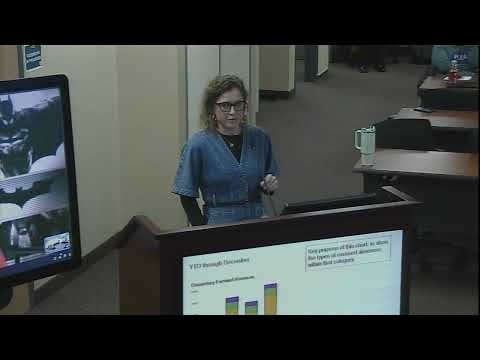
Board hears concerns about state diagnostic rollout and assessment burden
Loading...
Summary
Board members and staff discussed FastBridge midyear screening and the state-mandated diagnostic (referred to in the transcript as CAPT/READ). Staff described partial deferrals of some screeners, parent opt-outs at high school, training gaps for secondary teachers and ongoing efforts to interpret results and communicate to families.
District leaders told the Prior Lake-Savage Area Schools board that winter FastBridge screening and a new state diagnostic required by the state are stressing local assessment capacity and family communication systems.
The presenter said FastBridge remains the district's primary screener for many grades but the district removed the kindergarten/first-grade math midyear requirement this year to reduce testing burden. For ninth-grade FastBridge the district pulled winter administration to prioritize other state requirements and to preserve fidelity where resources were limited.
On the new state diagnostic (referred to in the meeting as CAPT/READ), the presenter said it is the state-approved diagnostic for grades 4–12 and is being used to identify root causes of reading difficulty. "This is the 1 and only M. B. Approved screening tool... This 1 is the only state approved, diagnostic for grades 4 through 12, and was required to implement this year," the presenter said. The district reported that, at the time of a midweek data pull, about 30% of students in grades 4–12 were identified for follow-up and that the district is still building committees and protocols to interpret results and set interventions.
Board members raised multiple concerns: rapid and changing state timelines, gaps in secondary teacher training for interpreting results, higher opt-out rates at high school, and uncertainty about how a classroom teacher should use the diagnostic buckets to customize instruction. One board member asked whether results will be returned to families and how; the presenter said elementary families will receive results at conferences where teachers have received training, but a district plan for secondary family communication is still in development.
Members also discussed whether the board should communicate concerns to state legislators about timing and implementation; the presenter said state timelines and contract constraints limit district flexibility and called for more lead time to plan. The presenter added the district has a six-page FAQ for families and is working with special education staff to integrate diagnostic results into IEPs where relevant.
Board members requested that staff report back with clearer communication plans for families and with proposals for how to prioritize students who lack existing supports.