
Douglas County defers decision on switching employee health-plan administrator after heated debate
Get AI-powered insights, summaries, and transcripts
Subscribe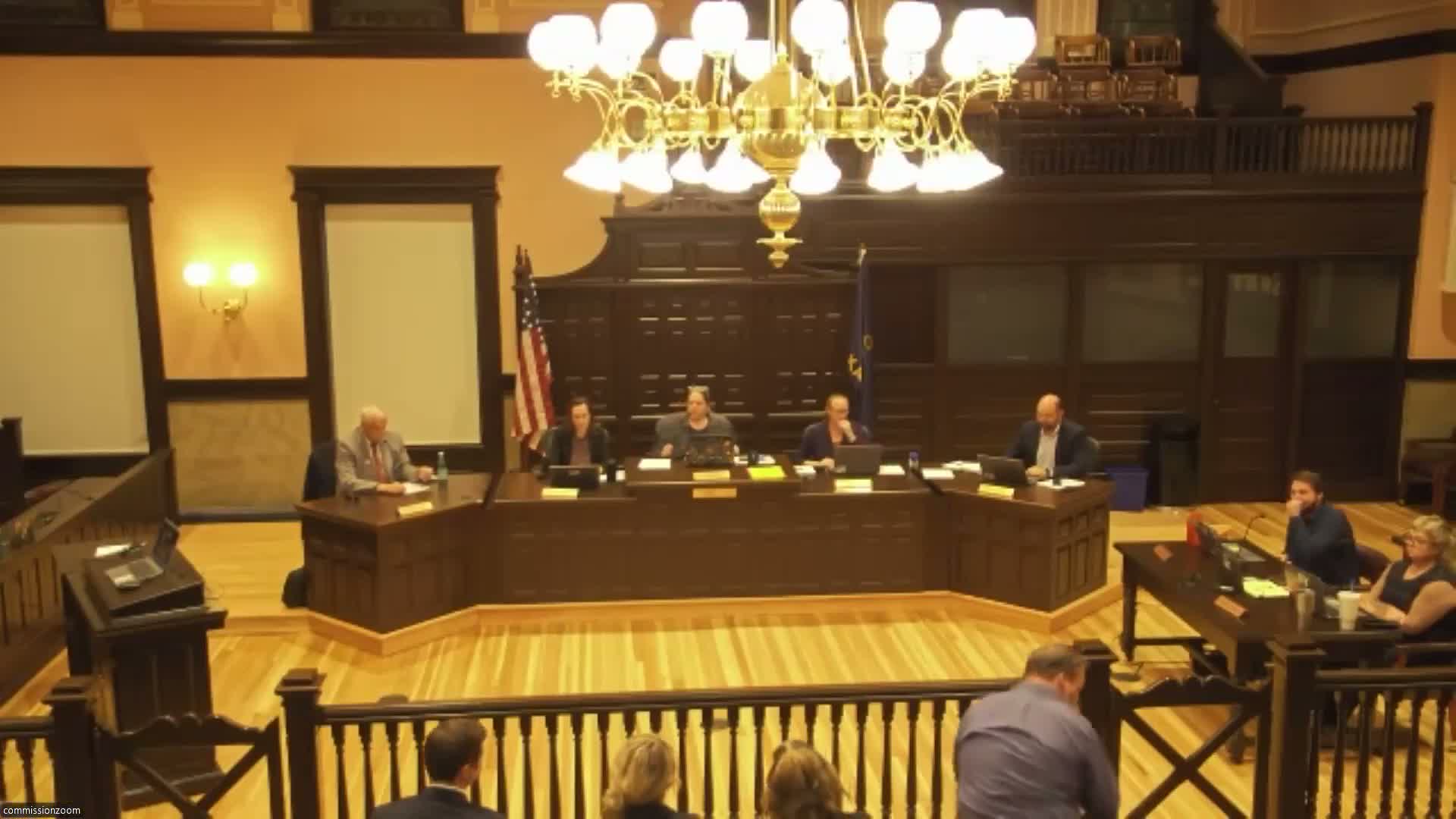
Summary
After staff and Willis Towers Watson recommended UnitedHealthcare for projected network discounts, the commission failed to approve the contract and instead voted 3-2 to defer, asking staff to return de-identified bidder comparisons and provider-disruption metrics before a final decision.
Douglas County commissioners on Feb. 11 considered a staff recommendation to move the county's self-funded employee medical and dental administration to UnitedHealthcare (UHC) starting June 1, 2026, following an RFP administered by Willis Towers Watson.
Michelle Spreier, director of human resources, and Connor Clune of Willis Towers Watson presented the RFP results. Willis repriced last year's claims through each vendor's network and reported UHC produced the most competitive projection of network discounts. Spreier and Willis estimated conservative savings of roughly $450,000 to $1,000,000 in claims dollars under the UHC network; Spreier said the county aimed to begin open enrollment April 13.
Commissioners and staff discussed network adequacy, potential increases in claim denials under different administrative arrangements, stop-loss integration, provider disruption, and impacts on local mental-health providers such as Bert Nash. Commissioner questions sought data on denial rates, primary-care continuity, and the county's ability to monitor and intervene on denied claims. Willis and staff said the county is self-funded (so it holds claims risk), that 99% of current in-network providers appeared in UHC's repricing list based on prior claims, and that many denials are coding or resubmission issues that are often resolved with providers.
During public comment, an employee identified as Vanessa raised concerns about UHC's reputation for claim denials and low reimbursement rates and urged caution, saying staffing and retention depend on reliable benefits access.
A motion to approve entering into a contract with UnitedHealthcare failed after voice vote. The board then approved, 3-2, a motion to defer the decision and asked staff to return in short order with de-identified financial comparisons of all bidders plus measured "disruption" metrics (provider continuity and other vendor caveats). Commissioners directed staff to provide the additional information promptly because the open-enrollment timeline is near.
Staff said the recommended UHC contract would have been for a three-year term with a one-year out provision; stop-loss and PBM (pharmacy benefit manager) integration remain to be finalized.