Roseville council adopts tighter policy limiting police role in federal immigration actions
Loading...
Summary
The Roseville City Council on Feb. 9 approved changes to Police Department policy 4.13 that bar department employees from participating in immigration enforcement and limit assistance to public‑safety functions. Council amended wording on supervisor response and adopted the policy unanimously, effective immediately.
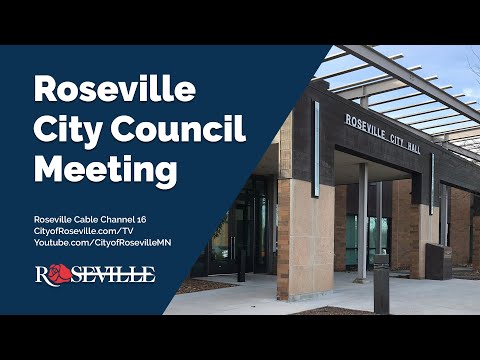
Roseville — The Roseville City Council voted unanimously on Feb. 9 to adopt amended language to Police Department policy 4.13 that restricts local police from participating in federal immigration enforcement and narrows any response to federal immigration operations to public‑safety functions.
City Manager Pat Trojgen and Roseville Police leadership presented the revised section 4.13.6, which reaffirmed that department members shall not participate in immigration enforcement or inquire about a person’s immigration status unless directly related to a local criminal investigation. The proposed language allows officers to respond to federal immigration operations only to address immediate public‑safety concerns — such as preventing injury, protecting people from harm, maintaining order or guarding property — and says any requests for assistance should be directed to a supervisor "as soon as possible." Trojgen said the changes reflect input from the Multicultural Advisory Committee (MAC), a volunteer community group formed after the George Floyd murder that advises on policy.
Why it matters: The city has been updating multiple police policies and community resources amid Operation Metro Surge, including signage limiting use of city facilities for staging and web resources about residents' rights. The revised policy clarifies Roseville’s operational limits and the department’s duty to preserve peace while avoiding active participation in immigration enforcement.
The city attorney, Rachel Tierney, also briefed the council on related litigation filed by Minnesota Attorney General Keith Ellison and the cities of Minneapolis and Saint Paul challenging certain federal enforcement actions. Tierney said a federal court most recently denied a preliminary injunction request but the underlying case will proceed; her office is preparing possible support briefs and will update the council if cities are invited to participate.
Residents weighed in during the public‑comment period. Cynthia White, a Roseville resident, thanked staff and said the changes were consistent with Ramsey County guidance. Another speaker, Andy, urged stronger wording in place of what he called "wiggly words," asking that the requirement to involve a supervisor be less discretionary. The police chief told the council the department’s expectation is that a supervisor respond when available, but operational realities — for example, a single supervisor committed to another scene — mean officers may at times respond first and a supervisor will join as soon as practicable.
Council action and next steps: Council Member Strong moved to adopt the amended language, striking a redundant final sentence and changing the direction to have assistance requests routed to a supervisor "as soon as possible." Council Member Graf seconded the motion; it passed unanimously. The mayor said the policy change is effective immediately. Trojgen and staff also noted the city will continue updating guidance and outreach materials online, maintain translation of documents (Spanish completed), and pursue coordination with regional partners and state officials on related policy and resource needs.
What remains unsettled: The mayor and council agreed the Equity and Inclusion Commission could still review the language if council members want further input; staff said the policy can be revised over time. Tierney said the city is coordinating on potential amicus briefing opportunities but will await the attorney general’s direction on how cities might formally participate.
The council moved to the next agenda items after adopting the policy.