
Councilors press city on parking after BTD letter ending ticket waivers for traveling BPS staff
Get AI-powered insights, summaries, and transcripts
Subscribe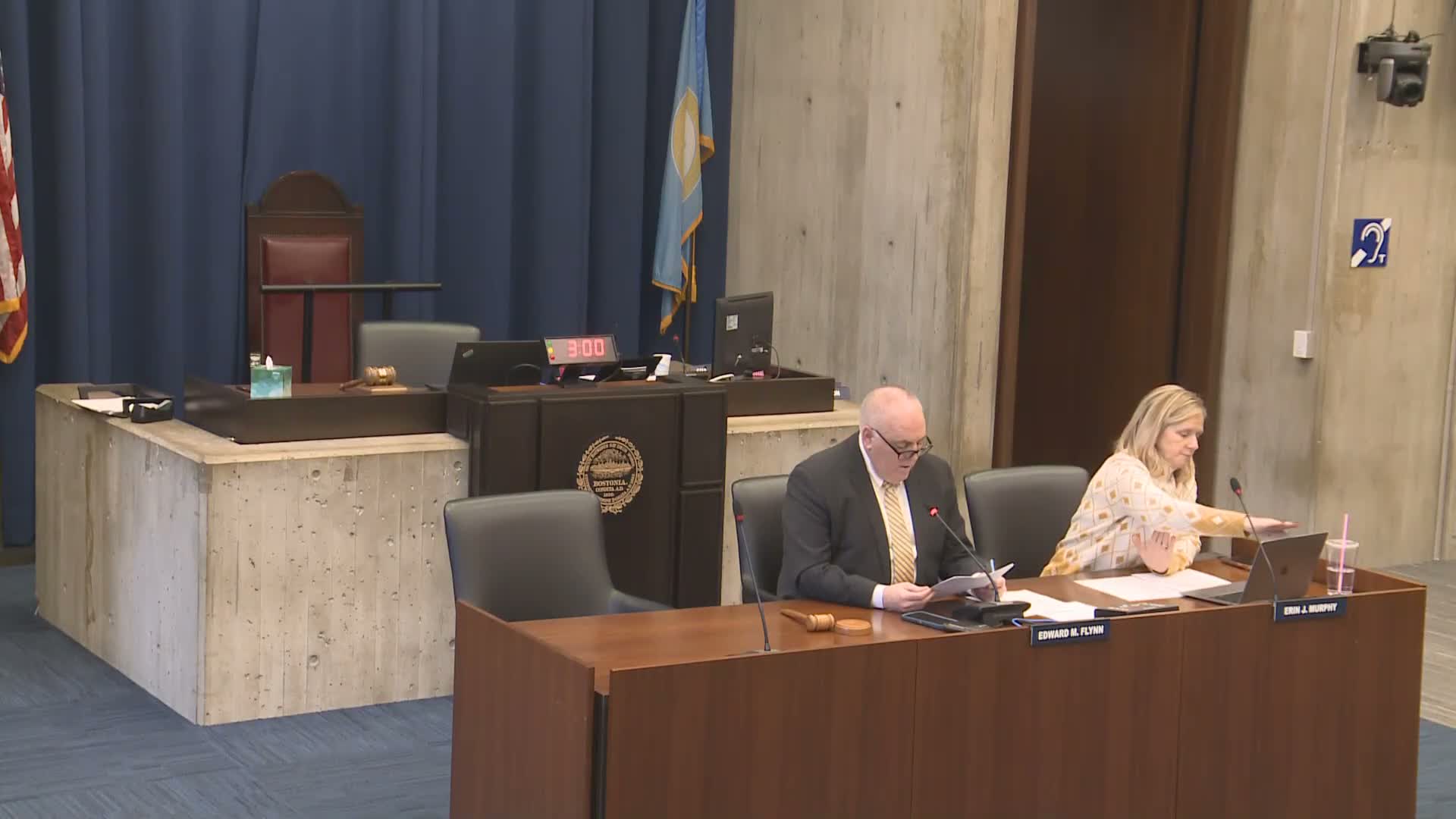
Summary
Boston City Council's City Services committee held a Feb. 12 hearing on parking access for traveling Boston Public Schools employees after the Office of the Parking Clerk informed school leaders it will no longer dismiss parking violations for BPS staff. Union testimony described a pilot meter-code program and urged expanded accommodations to avoid missed federally mandated special-education services.
BOSTON — Boston City Councilors pressed for answers Feb. 12 after the city—s parking office told school leaders it would stop dismissing parking violations for Boston Public Schools staff, a change union representatives and councilors said could interrupt federally mandated student services.
The City Council—s Committee on City Services opened the hearing to examine parking access for so-called —traveling— BPS employees — special-education providers, therapists, counselors, nurses and other staff who visit multiple schools in one day. Councilor Murphy, the lead sponsor of the hearing, said the panel convened to address fairness, workforce retention and operational problems that leave educators circling for limited spaces and sometimes missing scheduled sessions with students.
Johnny McGinnis of the Boston Teachers Union described a one-year pilot in which certain traveling staff receive a unique code that allows several hours of parking at metered spaces. —They shouldn—t have to worry about receiving a ticket,— McGinnis said, arguing that teachers should not interrupt instruction to move cars or to attend ticket appeals during the school day. McGinnis told councilors the union does not have a formal system to track the total number of parking tickets or exact reimbursement costs but estimated the traveling-staff population at roughly 80 employees.
Councilors asked detailed questions about which positions participate in the pilot (McGinnis cited speech-language pathologists, nurses, counselors and social workers), where the code can be used (schools located within metered zones such as Quincy School and Boston Arts Academy were cited) and proposals for alternatives including designated school-lot access or a standardized staff placard.
During the hearing Councilor Murphy read a letter from Amelia Capone, director of parking and curbside management, from the Office of the Parking Clerk at the Boston Transportation Department. The letter, read into the record, states: —Starting on 02/01/2026, we will no longer dismiss parking violations validly issued to vehicles of BPS or school staff. In addition, any school specific placard or historical exemptions will no longer be recognized.— Councilors and the union said the administration—s absence from the hearing prevented the committee from getting an on-the-record explanation of the decision.
Public testimony included a virtual comment from a resident who said public streets must remain available to everyone and warned that selective waivers could be inequitable. Councilors acknowledged that balancing resident access, small-business turnover and educators— needs will require stakeholder engagement and local solutions tailored to individual school neighborhoods.
Chair Ed Flynn emphasized the student-impact argument during the hearing: several speakers noted that special-education services are scheduled in hours under students— individualized plans and that missed sessions are not always straightforward to make up. Councilors asked the union to gather more precise data on tickets, towing incidents and potential reimbursement costs to help the committee consider budget or policy options.
The committee concluded without a formal vote. Councilor Murphy and the chair said the item will remain in the City Services committee and that they expect to ask administration representatives — including the Boston Transportation Department and Office of the Parking Clerk — to appear at a future meeting to explain the policy change and discuss possible accommodations or alternatives.
The hearing was adjourned.