Bridgeport police brief council on DNA program, overdose kits and concerns over recent federal immigration operation
Loading...
Summary
The police chief told council the department is implementing county DNA retrieval procedures, distributing overdose response kits, reporting high closure rates (70% in 2025, 85% in Jan. 2026), and raised concerns about federal enforcement activity in town, saying Bridgeport does not participate in the 287(g) program and urging more advance communication from federal agencies.
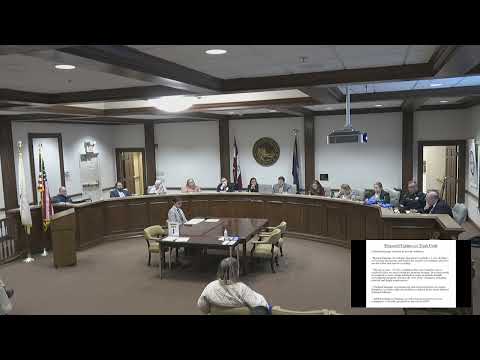
At the Feb. 10 working session, Bridgeport’s police chief updated council on crime-clearance efforts, training and community programs, and described recent federal enforcement activity in the borough.
The chief said the borough will adopt an expanded DNA-retrieval process tied to county resources, which he said should help clear more cases: "We're gonna be one of the first groups in Montgomery County that are gonna go with this, additional layer," he said. He also described a recent county CISM (critical-incident stress-management) integration to support officer wellness and extended an offer of free emergency overdose kits (Narcan) for residents.
The chief cited department statistics, saying the closure rate by arrest for 2025 was about 70 percent and that January 2026 closure rates by arrest reached 85 percent. He described operational successes, including a recent motor-vehicle-theft arrest that led to DNA swabs and follow-up electronic-investigative techniques.
On immigration enforcement, the chief described an early-morning federal action Jan. 30 in which federal officers detained three people on the 300 block of West 4th Street and staged processing in a public parking area. He emphasized that Bridgeport Borough Police "does not participate in the federal 287(g) program or other agreements that could authorize local police officers to act as federal immigration agents," and said local officers do not inquire into immigration status in ordinary contacts. He urged that notice of federal operations, when possible, would improve safety and coordination: "Notice of such operations would improve the safety and security of the borough by allowing our officers to know limited information so as to tailor any responses appropriately," he said.
Council members asked follow-up questions about how arrest records and federal background checks can interact with federal investigations; the chief and other staff explained how criminal-processing data can surface in background checks and trigger additional federal inquiries. No policy changes or formal requests for interagency agreements were taken at the meeting.