Get Full Government Meeting Transcripts, Videos, & Alerts Forever!
Get email alerts on the Solid Waste topic
No spam. Unsubscribe anytime.
Bridgeport council reviews draft rules to curb trash scattering, proposes modest fines and screening requirements
Summary
Councilors discussed a draft amendment to Chapter 4-70 (solid waste) that would require lidded receptacles, limit curbside containers, set a 7 a.m. curbside deadline for Tuesday collection, require screening where cans sit on frontage, allow durable, cinched bags only in "extraordinary circumstances," and authorize fines up to $100 for noncompliance; staff will revise the language and return for further consideration.
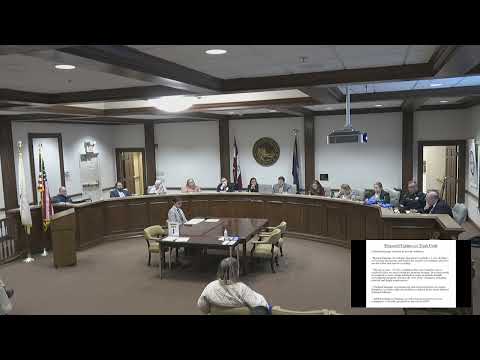
President Al Zayed opened a working-session discussion Feb. 10 on proposed changes to Bridgeport Borough’s solid-waste code intended to reduce litter and public-health problems from loose or overflowing trash.
Mister Truman, who presented the draft amendments, said the revisions aim to address recurring problems: cans left on street frontage on noncollection days, uncovered or overflowing receptacles, loose trash bags and the loss or destruction of household cans. "Receptacles should be stored and prepared for collection in a secure manner," he said, summarizing the proposal’s core standard.
The draft would require tight lids and clean, labeled cans, limit curbside placement for Tuesday pickup to a 7 a.m. deadline, cap residential placement to two refuse containers and one recycling container, and allow screening along the frontage where side- or rear-yard storage is not possible. The text as presented also allows durable, watertight plastic bags "on an as-needed basis when such waste exceeds the limits of the reusable containers," and would ban loose trash except in "extraordinary circumstances." Proposed enforcement language would permit fines not exceeding $100 for noncompliance.
Council members questioned several operational details. President Al Zayed asked if occasional extra bags for holidays or parties could be accommodated; Mister Truman said the draft contains an exception for extraordinary situations but emphasized that bags must be durable and cinched closed. Council member Nolan raised equity concerns for residents who lack side yards, noting that landlords — not tenants — receive citations under current enforcement practice.
Councilors also discussed the practicality of a 96-gallon maximum for some containers and whether trucks and crews could handle larger receptacles. Mister Truman pointed out that many trucks have hooks and lift mechanisms and that the 96-gallon size is a commonly available production can.
Public commenters flagged implementation issues. June Charles, who identified herself as living on DeKalb Street, asked whether the borough could establish a hotline or volunteer coordination to help elderly or disabled residents who cannot move cans; the council encouraged residents to contact staff and volunteered to coordinate neighbor-to-neighbor assistance. Another resident reported finding dog-waste in a recycling bin, prompting staff and councilors to recommend physical measures (for example, bungee cords) and to raise contamination concerns with developers or HOAs in private-managed developments.
Mister Truman said staff will take comments under advisement and return with revised language; no votes or formal actions were taken in the working session.
The council emphasized an intent to prioritize voluntary compliance and education over punitive enforcement. The draft’s $100 maximum fine was described as a last resort and a tool to achieve compliance rather than revenue.