
Residents Press Springfield Commission Over Immigration, Housing and Neighborhood Impacts
Get AI-powered insights, summaries, and transcripts
Sign Up Free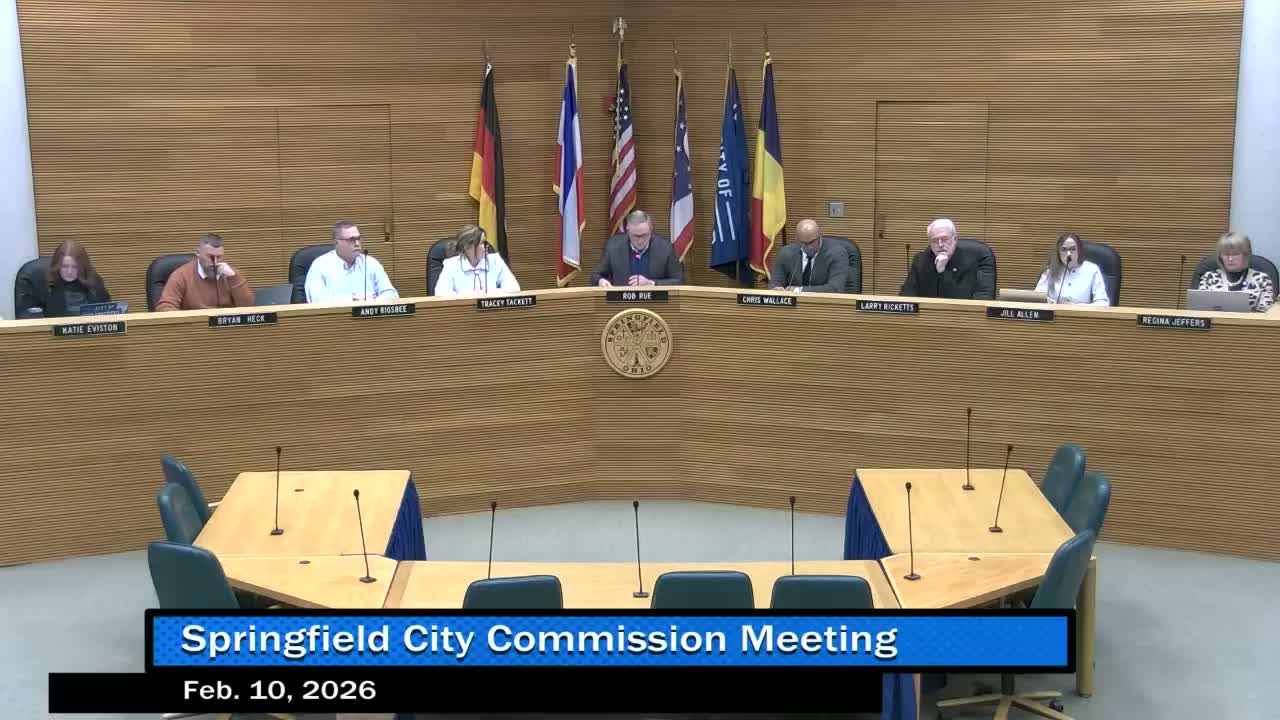
Summary
Multiple residents used the public-comment period to urge action on perceived neighborhood overcrowding, enforcement of permits and to criticize recent arrivals; the commission answered on enforcement limits and said long-term integration requires federal action.
SPRINGFIELD, Ohio — Dozens of residents used the public-comment portion of the Springfield City Commission meeting to press local leaders about neighborhood changes, unpermitted housing conversions and concerns they linked to recent immigrant arrivals.
Gary Armstrong opened the session with a complaint about what he said were unpermitted conversions near his neighborhood, including a property he named as belonging to "O'Neil," and urged the commission to enforce permitting and tax rules. "When are you gonna do something about O'Neil's 4 unit that he built ... ?" Armstrong asked, saying the changes had crowded streets and lowered the quality of life for longtime residents.
Several speakers framed their concerns more broadly. Diana Daniels said "heritage citizens of Springfield are tired" and argued that "foreign nationals" had harmed local jobs and neighborhood life. Darlene Ealy and other residents shared personal accounts of hardship and urged the city to ensure public safety and orderly integration. Larry Barnett urged the community to move beyond polarization and asked whether there had been any formal assimilation plan when the recent arrivals began.
Mayor Rue and city staff responded that many issues raised fall outside the commission's direct authority and that long-term integration involves federal immigration policy. On enforcement, Rue said sidewalk-clearing rules currently rely on a misdemeanor ordinance and asked the law director to evaluate civil remedies. City staff also said two hotel properties mentioned by residents had been appraised by HUD-qualified appraisers, that one had been used temporarily as COVID-era emergency shelter and that no long-term operator contract had been approved.
The exchange included pointed language but no formal policy action. Commissioners later adjourned public comment and moved into the formal agenda, where several procurement and grant items were approved.
The commission’s next scheduled meeting will take up related agenda items; members encouraged residents to continue raising concerns through neighborhood associations and county survey tools.