Middlesex County staff outline expansion plan for Ride On Demand microtransit pilot
Loading...
Summary
County planners described the Ride On Demand microtransit pilotand plans to test a commingled fleet that would serve both on-demand microtransit and reservation-based paratransit. Staff cited ridership, equity metrics and a targeted Q4 commingling pilot.
Jessica Bridal (transcript also shows "Jessica Braggione"), senior program manager in the county program management office, told the Middlesex County Planning Board the Ride On Demand microtransit pilot has carried more than 90,000 completed rides since its February 2024 launch and has materially expanded access to jobs and essential services in the Greater New Brunswick area.
The pilot was launched after a 2023 Forward Together study done with Rutgers that the planning advisory board endorsed and the Board of County Commissioners adopted in 2023, staff said. Jessica said the study recommended a microtransit model focused on underserved and "transit desert" communities; county leaders and the city of New Brunswick were chosen as the initial mobility market area.
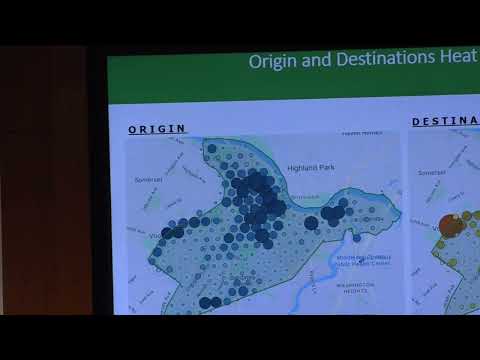
In presenting early results, staff cited several usage and equity measures: high reliance among riders who lack personal vehicles, a large share of riders with household incomes under $50,000, and frequent trips for work, school and medical appointments. Staff described origin-destination analyses they said show a commuter in the pilot zone could access many more jobs within a 30-minute travel time with Ride On Demand than without it.
Board members pressed staff on operational details. Staff said the pilot initially used a vehicle depot colocated with the operator to reduce deadhead time, and that a North Brunswick corridor to retail destinations was added in 2024 at no additional county cost; staff reported roughly 8% of rides now serve that corridor. When asked, staff said the fleet currently numbers six vehicles, including two wheelchair-accessible vehicles configured for special needs.
Looking ahead, staff described a planned phase 2 "commingling" model that would operate a single dynamic fleet serving both microtransit and reservation-based paratransit customers. The county plans to introduce a new dispatching platform (identified in the presentation as RICO) that assigns drivers and trips in real time to improve utilization and reduce idle or deadhead time. Staff said the commingling pilot is being targeted for late summer/early fall (AugustSeptember) as a Q4 use case, pending change-management and funding issues.
Staff emphasized sustainability pillars for the model: operational efficiency through dynamic routing, environmental benefits from fewer single-occupancy trips, and social-equity gains by improving access for lower-income and car-free households. They said the platform was procured with grant funds and that evidence-based performance metrics and dashboards will be used to pursue additional funding from partners including New Jersey Transit and federal grant programs.
Several commissioners raised cautionary items: maintaining coordination with existing New Jersey Transit routes and ensuring compliance with any funding restrictions, and the uncertain federal funding environment that may affect long-term plans. Staff said public-private partnerships with large local institutions are being considered as one path to sustain expanded service.
The presentation closed with staff reiterating that ongoing impact metrics will guide decisions and that county leadership will determine whether the program proceeds to the broader commingled pilot.