Get AI Briefings, Transcripts & Alerts on Local & National Government Meetings — Forever.
Lapeer County public and ACLU urge caution as commissioners weigh Flock license-plate cameras
Summary
Residents, civil liberties advocates and several commissioners raised privacy, constitutional and contract concerns about a proposed Flock automatic license-plate reader contract; the board deferred a final vote for two weeks to seek clearer contract language and assurances.
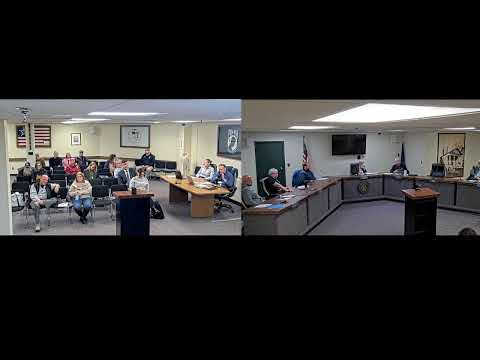
Lapeer County commissioners heard extended public opposition and expert testimony Wednesday over a proposed contract to deploy Flock automatic license-plate readers (ALPRs), with officials postponing a final decision for two weeks.
The board convened a large public-comment block in which residents, including Maurice Freed of Mayfield Township, argued the cameras could amount to warrantless, dragging surveillance and raise Fourth Amendment and state-constitution concerns. Freed cited Carpenter v. United States and other recent cases to warn that long-term tracking of vehicle movements can constitute a search. Several commenters also raised data-breach and hacking risks.
Gabrielle Dresner, a policy strategist with the American Civil Liberties Union of Michigan, gave a detailed presentation outlining how ALPRs operate, public transparency portals and potential privacy harms. Dresner noted Michigan lacks statewide rules governing retention and sharing of ALPR data, described public trackers (including crowd-sourced maps), and highlighted cases and media reports showing misuse, wrongful arrests and problematic disclosures. She said many jurisdictions have paused or ended Flock contracts and that policy controls should be in place before activation.
County staff summarized recent contract negotiations with Flock and described areas where the company’s written language remains unclear. Administrator and procurement staff told commissioners the vendor’s current termination-for-convenience language could require the county to pay remaining contract years if the county exercises early termination, with accelerated payment terms (payment due within 30 days) and limited written commitments on derivative uses of raw footage and post‑retention analysis. Staff said some vendor promises have been verbal and not yet reflected in contract language.
Several commissioners said they were unconvinced by the vendor’s written terms. Commissioner Wise and others said the termination and data-sharing clauses were unacceptable as written; Commissioner Nisley flagged cybersecurity risks and the company’s ability to change retention policies. Multiple commissioners said they had heard overwhelming constituent opposition and that the project’s cost and contract terms merited caution. Commissioner Zender described disappointment with the contract language and questioned the vendor’s practices.
The board did not take a vote. Chairman Howell and other commissioners confirmed the agenda contains a formal decision in two weeks’ time, and several members asked staff to get clearer, written contract language and to consider whether additional legal review or a public referendum would be appropriate. Commissioner McMahon and others said they wanted to review how neighboring jurisdictions have handled similar contracts and asked staff to gather more information before the next meeting.
The board will revisit the matter at its next regular meeting, when a final vote is expected unless commissioners request further delay.