Appeals Court Hears Claim That Defendant’s Hearing Loss Made Trial Counsel Ineffective
Loading...
Summary
In Commonwealth v. Horsley, defense counsel told the Appeals Court that Raymond Horsley missed portions of his trial because of severe hearing loss and that trial counsel failed to secure accommodations; the Commonwealth urged deference to the trial judge’s credibility findings. The court requested missing affidavits and took the case under advisement.
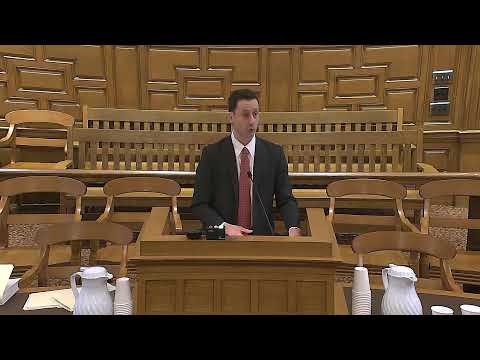
A Massachusetts Appeals Court panel on Wednesday heard arguments from defense counsel Dan Ciccarello that his client, Raymond Horsley, suffered from hearing loss during his bench trial and therefore received ineffective assistance of counsel. Ciccarello said Horsley twice told the trial court he could not hear and that an audiologist’s affidavit shows long‑standing impairment. He argued that the trial lawyer and judge were on notice and should have inquired further or obtained accommodations under the precedent that protects hearing‑impaired defendants.
"My client had told the lawyer that he couldn't hear," Ciccarello said, summarizing his principal claim and pressing the panel to consider whether the lack of further inquiry in the trial court amounted to a structural error or ineffective assistance under Commonwealth v. Elliott and related case law.
Tracy Kelly, counsel for the Commonwealth, urged the panel to affirm. She told the court the trial judge — who also decided the post‑trial motion — made credibility findings based on his observations and memory of the proceedings and that only two recorded instances of "I can't hear" occurred and were promptly addressed by the judge, who repeatedly asked participants to speak up. "The record before us does not demonstrate or prove that he was unable to hear," Kelly said.
The judges questioned both sides about gaps in documentary support. The panel noted there was not a trial‑counsel affidavit in the appendix and asked Ciccarello to submit any missing motions or affidavits. Ciccarello agreed to provide any missing material; the court set a five‑day window for a supplemental appendix and took the case under advisement.
What happens next: the Appeals Court will consider the briefs, the transcript and any supplemental affidavits that Ciccarello files within the court’s five‑day request before issuing a decision on whether Horsley’s conviction should be affirmed or returned for further proceedings.