
Indian Health Service celebrates 70 years; speakers call for full funding and Native-led care
Get AI-powered insights, summaries, and transcripts
Subscribe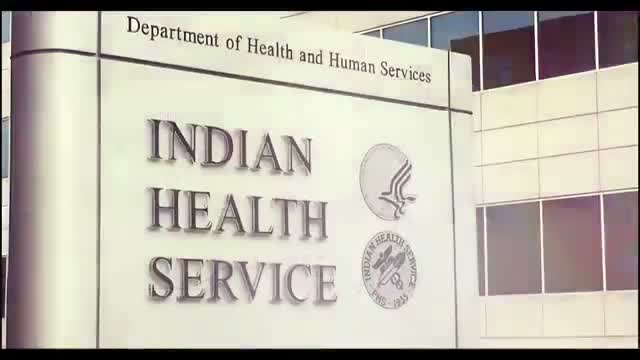
Summary
At a 70th-anniversary observance, speakers recounted IHS's 1955 founding, cited the 1975 Indian Self-Determination and Education Assistance Act that enabled tribal management, noted gaps including underfunding, and urged continued investment in Native-led health systems.
The Indian Health Service marked its 70th anniversary with speakers who traced the agency’s origins to 1955 and framed health care for American Indians and Alaska Natives as a federal trust responsibility, not charity.
Speaker 1 said, "In 1955, the Indian Health Service was created," and added that "health care for native people is not charity, it is a trust responsibility." That opening framed the event’s central theme: honoring legal and moral commitments while pressing for better resources.
Speakers recalled a critical policy shift in 1975 when Congress passed the Indian Self-Determination and Education Assistance Act, which gave tribes authority to assume operations of IHS and Bureau of Indian Affairs functions. "This landmark legislation shifted federal policy," Speaker 1 said, describing how tribes "stepped forward" and shaped their own health systems.
Several speakers acknowledged longstanding challenges. Speaker 1 said the IHS story has included "gaps, underfunding, barriers, and bureaucracy," even as tribal leadership and local staff have worked to adapt services.
Speakers highlighted the agency’s scale and reach. "Today, the IHS serves 2,800,000 American Indians and Alaska Natives…through 44 hospitals and 384 health centers, and working in partnership with 41 urban Indian organizations, supporting over 80 sites," Speaker 1 said, noting services span "from Alaska to Florida." Speaker 3 provided a local perspective: "I love going into our local Indian Health Service and seeing our own people…This is a cornerstone of our community."
Presenters emphasized consultation and tribal input as central to IHS operations. Speaker 1 described reliance on advisory committees, tribal consultations, town halls and delegation meetings to inform health care direction; Speaker 3 praised IHS’s consultations and said they reflect respect for tribal sovereignty.
Looking ahead, speakers called for continued modernization and multigenerational planning. Speaker 2 said the work is guided by a long-term outlook—"7 generations ahead"—and Speaker 1 urged movement toward "fully funded systems, toward native led health care solutions, toward wellness that begins before illness."
The event closed with acknowledgments of the IHS workforce and gratitude for those who have served. Speaker 4 and Speaker 5 offered congratulations and expressions of appreciation for partnership as the agency and tribal partners look to future improvements.
No formal policy decisions or votes were recorded during the remarks; the program was a commemoration and public recognition of IHS milestones and ongoing priorities.