Verona superintendent reports school safety incidents and outlines March NJGPA testing
Loading...
Summary
Superintendent Diane DiGiseppi told the board Verona High School reported 21 incidents to the state SSDS this reporting period, including eight confirmed harassment, intimidation and bullying cases; the district also announced NJGPA adaptive testing for juniors March 16–20 and clarified portfolio appeals and alternative assessments.
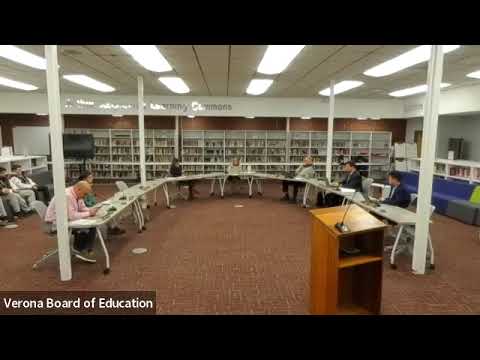
Superintendent Diane DiGiseppi reported the district’s Student Safety Data System (SSDS) totals and described the schedule for state testing at the Verona Board of Education meeting on Feb. 10. "We had 21 total incidents that we reported to the Department of Education," she said, adding that the high school included eight confirmed harassment, intimidation and bullying (HIB) incidents, one substance‑abuse incident and zero fights.
DiGiseppi said HBW (the middle school program referenced in the report) had 12 total incidents, including one confirmed HIB and additional preliminary determinations. She explained that "preliminary determination" refers to reported misconduct that, even if all allegations were true, would not meet the statutory standard for HIB and therefore is handled as a code‑of‑conduct matter rather than an HIB investigation.
The superintendent also reviewed the district’s testing calendar: juniors will take the New Jersey Graduation Proficiency Assessment (NJGPA) adaptive exam in the week of March 16–20. "We start on March 16," she said. DiGiseppi described the NJGPA adaptive format as computer‑adaptive—adjusting difficulty in real time—and said the state recently released session lengths for the unit tests (two 75‑minute ELA reading sessions plus a 90‑minute writing session; two 75‑minute math sessions).
On graduation alternatives, DiGiseppi summarized portfolio appeals and alternative assessments that students may use to demonstrate proficiency, including ACT, ACCUPLACER, PSAT and SAT options. She noted eligibility requires students to be on track for graduation with required credits, course completion and attendance. "Last year, we had 16 students qualify for the portfolio appeal and all of them were successful," she said, adding the district now scores portfolios in‑house rather than sending them to the state.
Why it matters: The SSDS counts are the district’s formal report to the New Jersey Department of Education and inform both public oversight and local safety planning. The timing of the NJGPA—less than five weeks after the meeting—gives families and staff a practical calendar for preparation and any remaining appeals or interventions.
What the board did: The board received the superintendent’s report; no vote was required on the SSDS figures or the testing calendar at this meeting.
What remains open: The superintendent said some incident classifications had been "alleged" and some were preliminary determinations; the transcript records those distinctions but not full investigative outcomes for individual cases. The district did not provide a full breakdown of outcomes (suspensions, sanctions, restorative measures) in this report.