
Veterans office warns county could face funding disruption if property-tax changes advance
Get AI-powered insights, summaries, and transcripts
Subscribe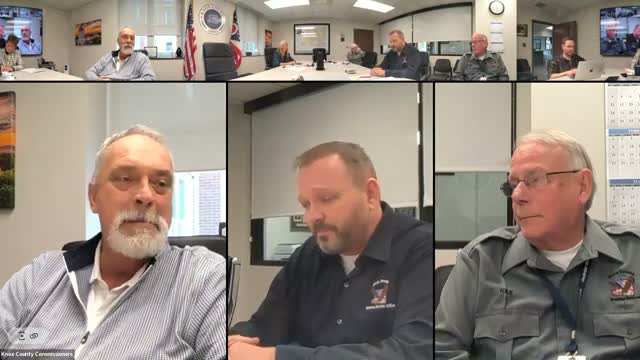
Summary
Kevin Hintorn of Knox County Veterans Services said the office averaged nearly four appointments daily, brought in roughly $19–22 million in federal VA dollars to the local economy and is preparing contingency plans — a soft spending freeze, not refilling a vacancy, and exploring fund-retention or donation line items — if proposed property-tax changes threaten funding.
Kevin Hintorn and Ken Lane of Knox County Veterans Services told the Board of Commissioners that the office is busy, fiscally proactive and preparing contingency options amid possible state-level property-tax reorganizations.
Hintorn said the office is "averaging almost 4 veterans a day" for scheduled appointments — roughly "600 and some plus" hard appointments last year — in addition to walk-ins and informal assistance. He described the economic impact of benefits filings and estimated federal VA dollars returning to the county at roughly $19 million (he later referenced about $22 million), noting the office's filings historically generate substantial local economic activity; he used a 52:1 figure to illustrate return on the county's investment in filings.
On governance and funding, Hintorn emphasized the office is a county entity governed by Ohio law and referenced Ohio Revised Code Title 59.01; he said the veterans office is currently funded entirely by a half‑mill property tax and "we are not grant funded." He expressed concern about potential state proposals to abolish or reorganize property taxes and outlined internal steps the office has taken: a soft spending freeze, not refilling an unexpected December vacancy, redistribution of duties to existing staff and consideration of retention funds or a donations line item to preserve operational continuity if revenues are interrupted.
Hintorn said these are preliminary measures he will bring back to the commissioners when more details are known at the state level. He also described outreach tools — a mobile unit to meet veterans where they live, partnerships for casework that have produced multi‑year claim approvals and a December ham giveaway that reached roughly 1,500 veterans as both assistance and outreach. "You are not alone," Hintorn said, describing the office's service motto.
Commissioners thanked the veterans office representatives and invited continued discussion of contingency steps and outreach strategies.