Supporters urge lawmakers to keep New Mexico’s spay-and-neuter program as litigation proceeds
Get AI-powered insights, summaries, and transcripts
SubscribeSummary
A legislative subcommittee heard broad support for SB 38, the Affordable Spay-and-Neuter program, with witnesses citing shelter overcapacity and early grant awards; legal counsel said a lawsuit over the law has been remanded to state court and its constitutionality remains unresolved. No vote was taken; one is scheduled Thursday.
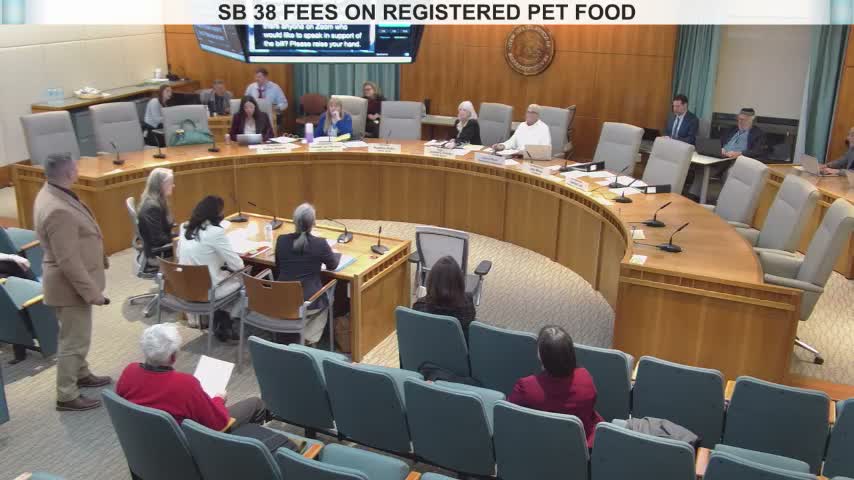
Supporters of New Mexico’s Affordable Spay-and-Neuter program urged a legislative subcommittee to preserve the law and its grant program while litigation remains pending.
Misha Goodman, director (per transcript) at Bernalillo County, told the panel her county shelters are “overrun,” saying her shelter grew “from 2,500 animals to 7,000 animals in just 5 years” and asking the committee not to allow the program to sunset. Diana Bell of Luna County and other local advocates described high local need and said grants were being used quickly to provide low-cost services.
Doctor Lawrence Young, chairman of the New Mexico Board of Veterinary Medicine, told the committee the Legislature enacted the Affordable Spay-and-Neuter Law in March 2020 and charged the board with designing and administering the grant program. Under current board leadership, Young said, the program has moved into full implementation: “To date, approximately $1,000,000 has been awarded to 28 organizations across New Mexico,” he said, and additional funds remain in escrow for future distribution. Young said the board has established public reporting and will provide outcome data to the Legislature.
Jessica Johnson Shelton, senior policy strategist with Animal Protection Voters (per transcript), addressed the pending litigation. She said the case was removed from state court to federal court and that a federal judge treated the question as involving a tax for jurisdictional purposes and remanded the case to state court. Shelton emphasized the federal ruling on jurisdiction should not be read as a final determination on the law’s constitutionality and said the legal merits remain unresolved and will be argued later this year.
Other witnesses included Jim Ludwig, a former Albuquerque animal-programs analyst who cited multiple years of local data showing declines in shelter kitten intake after spay-and-neuter initiatives, and Jackie Roach, CEO of Santa Fe Animal Shelter, who said grants will allow her shelter to spay or neuter roughly 500 community cats and that “in 2024, 88,000 cats and dogs entered New Mexico animal shelters,” a figure she said is the highest per-capita shelter intake in the nation.
Committee members did not take a final vote at the hearing. Members said follow-up questions would be handled when the subcommittee reconvenes and that votes on the item are scheduled for Thursday.
The presentation record included several requests for clarification about allowable uses of grant funds, trap-neuter-release (TNR) activities, and how the board tracks awards and outcomes; board representatives said those details are posted on a public website and that the board plans to report impact data to the Legislature.