Get Full Government Meeting Transcripts, Videos, & Alerts Forever!
Get email alerts on the Asset Protection topic
No spam. Unsubscribe anytime.
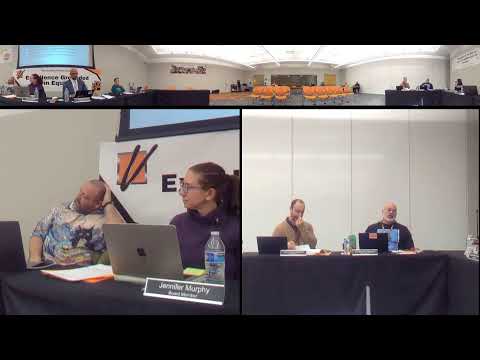
Board approves OE‑7 asset protection monitoring report after cybersecurity, insurance discussion
Summary
Board accepted the OE‑7 (asset protection) monitoring report as meeting expectations after administration reviewed a 133‑page evidence packet and described cybersecurity safeguards, phishing testing, training and requirements for third‑party renters to provide proof of insurance.
The Verona Area School District board voted to accept the OE‑7 (asset protection) monitoring report as meeting expectations after a detailed review of evidence and discussion about cybersecurity, insurance and facilities safeguards.
Administration said it had compiled a 133‑page evidence packet demonstrating systems to protect district assets and people. The superintendent and operations staff described specific cybersecurity practices — including long password requirements, periodic multi‑factor authentication, routine simulated phishing campaigns and annual third‑party audits — as measures that help the district manage cyber risk.
Board members asked whether cybersecurity coverage and the prevalence of attacks have driven premiums higher and whether district policies should explicitly enumerate different types of insurance, including cybersecurity. Administration said the district uses outside consultants for security audits, has a single sign‑on system tied to Google accounts for many services, and requires outside renters to provide proof of insurance as part of facility rental procedures.
Members also discussed how asset inventory and accounting safeguards are handled; administration said major assets are tracked through the state accounting system and referenced reporting tied to "fund 41" for depreciation and amortization. Board members suggested cross‑referencing administrative rules and OE‑12 (long‑range facilities planning) to ensure the policy and administrative practices align.
The chair called for a motion to accept the report as meeting expectations; a motion and second were recorded and the board approved the OE‑7 report by voice vote.
What happens next: The board will continue to monitor OE‑7 evidence annually; members raised the possibility of clarifying policy language to explicitly reference cybersecurity and preventive maintenance in future policy or administrative‑rule updates.