District 65 reports mixed midyear gains; attendance on track and learning gaps highlighted
Loading...
Summary
District 65’s quarterly assessment update showed increased early literacy and growth in several grades but flagged math dips in grades 5–8 and persistent disproportionality in suspensions; staff previewed a public interactive data dashboard and outlined interventions and a five-year improvement horizon.
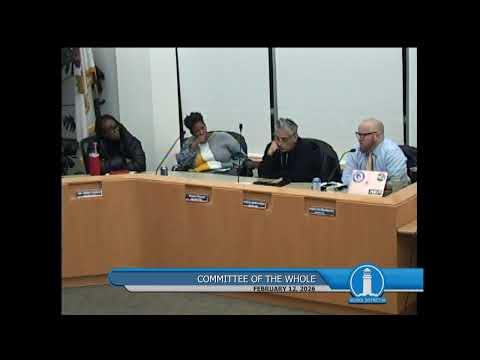
Donna Cross, executive director of research, accountability, assessment and data, delivered District 65’s Quarter 2 progress update and said the district is converting older NWA/MAP norms to current Renaissance STAR and I-Ready scales so the results are comparable over three years. Attendance was reported at 93.9% as of Jan. 6, on course toward the district’s 95% goal.
Cross said benchmarks were set using linking studies so district cut scores reflect the performance needed for state college-readiness measures; the district’s working benchmark averages landed in the mid- to upper-60th percentiles for some grades. She reported “glows” in early literacy: kindergarten showed large gains, and several elementary grades posted increases in the share of students at or above benchmark. I-Ready math showed growth in every grade from fall to winter and a districtwide reduction in the share of students two or more grade levels behind from 22% to 14%.
Board members pressed staff on two concerns. First, disciplinary disproportionality: the report acknowledged lower overall suspension rates but higher representation of Black students among out-of-school suspensions. Cross and district staff described layered responses — face liaisons, restorative reentry meetings, social workers and school-based mental-health supports — and said the typical out-of-school suspension length is short (often one day) with planned reentry and follow-up. Second, several board members pushed on math results in grades five through eight; Cross and school leaders said the dip reflects a mix of assessment transitions, curricular shifts (Eureka → I-Ready) and pandemic-era cohort effects, and they pointed to targeted interventions for middle grades and expanded professional learning for teachers.
Sonia/Regina (instructional leaders) and other staff emphasized three priorities for improving math: early-grade number-sense and fluency (K–3), stronger conceptual/tier 1 instruction and focused application/problem-solving practice. Staff also noted that interventions are constrained by capacity: the district reported roughly 20 interventionists who serve rotating caseloads, and principals hire interventionists to match school needs.
Cross said a public interactive data dashboard will go live in March (with a broader strategic-plan scorecard in April) that will allow board members and residents to filter by school, grade and student groups where at least 10 students are in the subgroup. The administration framed the work as multi-year — staff cited research indicating substantial systemic change typically requires about five years.
The board did not take formal action on the assessment recommendations at the meeting; staff said more detailed intervention cost information and implementation plans will be presented in subsequent reports. "We want our educators to look at data and see who is projected to be on grade level at the end of this year," Cross said.