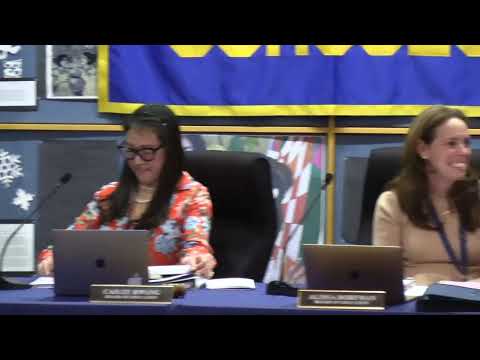
Chappaqua board green-lights plan to pursue expanded UPK; RFP to seek up to 108 seats
Loading...
Summary
District leaders presented a plan to expand universal prekindergarten by issuing an RFP for up to six on-site classrooms (about 108 seats) and partner-site seats, contingent on New York State budget approval and provider responses; administrators estimated per-student contract costs near $5,500–$7,500 and a timeline that would notify families by April 8.
The Chappaqua Central School District on Wednesday moved to pursue a request-for-proposals to expand prekindergarten seats under New York State’s proposed Universal Pre-K plan, administrators told the Board of Education.
Superintendent David Ackerman and school administrators described two implementation models: an on-site contracting model to run six classrooms across district elementary schools (two sections per school) and a community-partner model that would reserve seats in certified off-site programs. The district said the immediate plan is to issue an RFP after the February break and run a lottery for seats on April 8, with final provider recommendations expected in May — all contingent on the state budget.
Josh (district presenter) summarized the financial picture the board was shown: “We’re estimating a contractual agreement for $5,500 to $7,500 per student,” with a goal of staying within the $10,000 per‑student reimbursement proposed in the governor’s UPK proposal. District staff said that $10,000 reimbursement may cover staffing, supplies, administrative costs and soft expenses tied to classroom setup.
Administrators also noted current pilot statistics: in 2024–25 the district received 117 UPK requests and enrolled 36 students (two classes of 18); the district’s preliminary expansion plan would create approximately 108 seats (36×3), which the presenters described as the basis for budgeting and space planning. The board was shown classroom diagrams and told that conversions would require some modest capital work in selected rooms.
Board members pressed administration on several operational questions, including who would provide before- and after-care, how transportation and lunch would be handled if a full five-hour day becomes a state requirement, and whether the district would hire staff or retain an outside provider. Administrators answered that the recommended model keeps staff employed by outside providers (not in the district’s collective bargaining unit) while district administrators would provide instructional oversight.
Trustees approved moving forward conceptually and agreed to begin the RFP process, with the understanding that final enrollment would remain contingent on the state budget and a future board action to accept any recommended provider contract.
What’s next: The district plans to issue RFP(s) after break, hold an April 8 lottery contingent on state funding, and return to the board with provider recommendations in May.