Get Full Government Meeting Transcripts, Videos, & Alerts Forever!
Get email alerts on the Public Health Updates topic
No spam. Unsubscribe anytime.
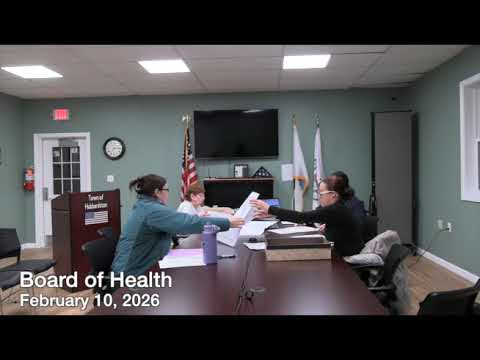
Hubbardston Board of Health: campylobacter case, MRC protocol and shelter preparedness discussed
Summary
At its Feb. 10 meeting the board reported one local campylobacter case, reviewed MRC regional protocol and discussed shelter supplies, CERT inventory and volunteer onboarding; members also clarified vendor permit fees for the upcoming fair.
Speaker 2 and Speaker 4 reported there were no new COVID or influenza cases but noted one local campylobacter occurrence that staff will follow up on. Speaker 3 said the board posted a seasonal-flu reminder with prevention tips on the town website.
MRC and regional protocols: Speaker 3 reviewed the annual MRC regional-protocol packet, saying it covers 22 (counts/areas) and explaining how the state-supported Medical Reserve Corps (MRC) volunteer database and mutual-aid requests would work if the town needed additional volunteers. The board discussed who should attend a forthcoming MPHN (or related) meeting; members expressed a preference for limiting attendance to two people to avoid creating a quorum.
Shelter readiness and supplies: Speaker 3 described emergency-sheltering materials (a trailer of supplies maintained by CERT near the Highway Department) and recommended an inventory and a practice shelter setup at the senior center to test cots and initial-supply distributions; the board noted they have 24 cots and suggested planning a dry-day volunteer event to review equipment.
Vendor permits and fair fees: Members queried historical permit categories for small food vendors (jams, granola). Speaker 2 summarized that one-day vendor permits are $20, mobile food trucks are typically charged $80 (with reciprocal fee reductions if they show registration from another jurisdiction) and smaller vendors sometimes paid different rates depending on whether they were residential kitchens or farm operations. They agreed to confirm categories with Kathy (inspector/staff) after the meeting.
Other board housekeeping: Speaker 3 described drafting an animal-care policy, shelter policy and communications policy and said she will circulate the materials by email. The board also discussed a potential grant-writing booklet to help set annual priorities and pursue funding.
Outcome: No emergency orders were issued. The board recorded follow-up actions: staff will follow up on the campylobacter case, obtain MRC/MPHN meeting details and lab reference charts for water/wastewater tests, inventory CERT supplies and confirm vendor-permit categories with the inspector.