
House committee hears students’ case for a nonvoting State Board seat and debate over local student-member rules
Get AI-powered insights, summaries, and transcripts
Subscribe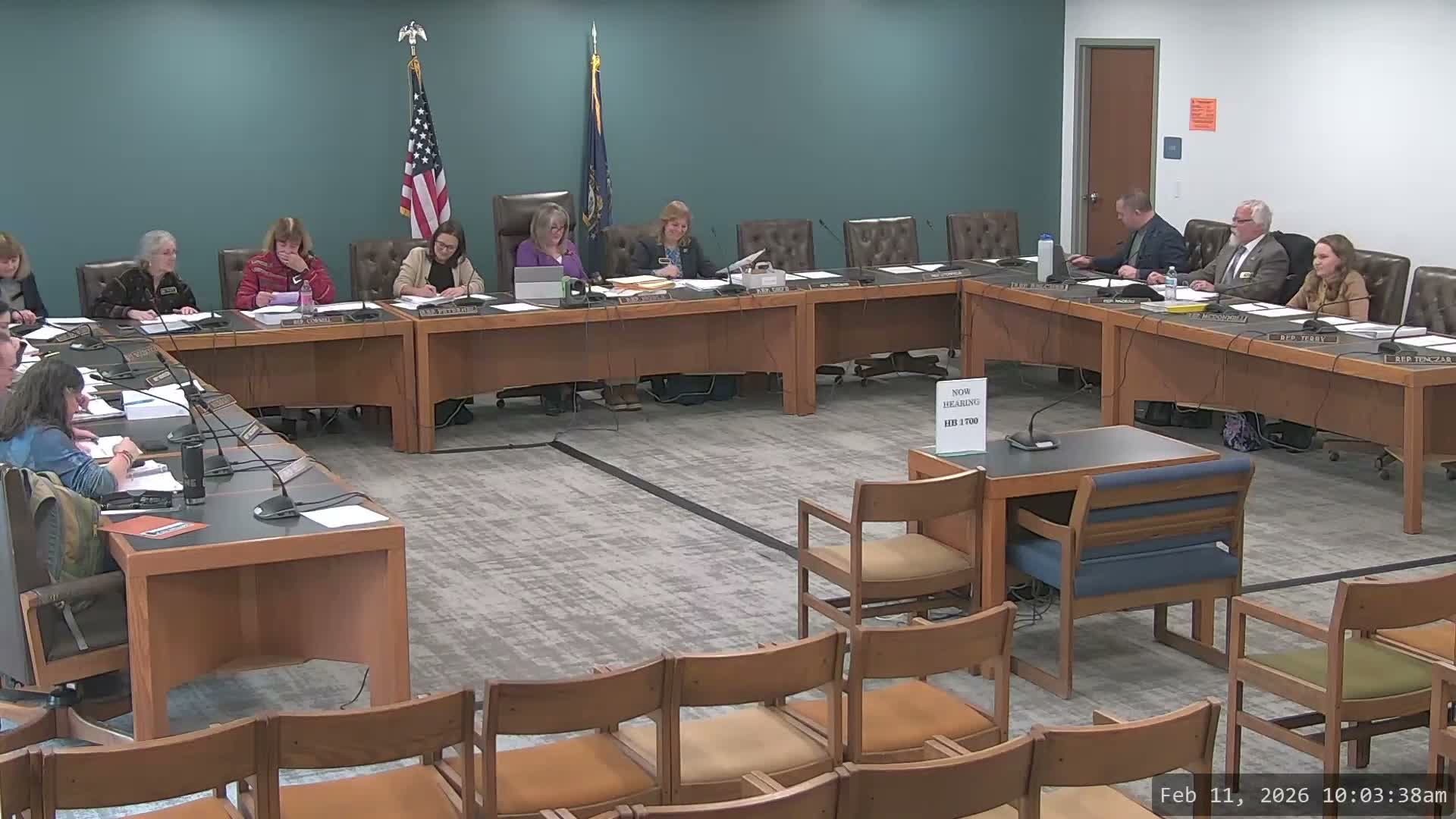
Summary
Lawmakers heard testimony on two bills proposing student representation: HB 1700 would add a single nonvoting student member to the State Board of Education; HB 1453 would standardize student school-board rights and election processes. A Goffstown senior testified for student voice; school-board groups warned HB 1453 is overly prescriptive.
Representative Joe Alexander introduced House Bill 1,700 to add a nonvoting student member to the State Board of Education, describing eligibility as broadly inclusive (students age 14–22 enrolled in high school, career school, community college, university, Education Freedom Account programs or home education).
Alexander told the committee the seat would be a one-term, nonvoting appointment by the governor. He said the role could be a civic or course-credit opportunity for a high-school student and that the governor could appoint different types of student representatives across terms.
Brady McCann, a senior at Goffstown High School and a student representative on his local school board, testified in support. McCann said having a student at the state level would let policymakers hear direct experience about issues such as credit requirements and course access. "I think having some representation is better than none," he told members, adding that school absences for meetings were manageable for engaged students.
Committee members pressed McCann and the sponsor on logistics: how students would be chosen, whether parent permission would be required for younger appointees, and whether virtual attendance should be allowed for lengthy, daytime meetings. Alexander said appointment processes could be left to rules rather than spelled out in statute and that parent permission was expected in practice though not written into the bill as drafted.
Representative Valerie McDonald introduced House Bill 14-53, a separate bill to define student school-board members’ rights, responsibilities and election timelines. Becky Wilson, director of governmental relations for the New Hampshire School Boards Association, said the association supports student voice but opposes HB 1453 as written because it is prescriptive about how student members are chosen, the timing of elections, and penalties for noncompliance. Wilson told the committee the bill could unintentionally prevent districts that currently choose to have multiple student representatives from continuing that practice.
Committee members asked whether written, uniform protections would be better handled by local boards or by statute; witnesses suggested existing training, summer sessions and national student-board programs already support student reps and that many districts elect student members in the spring. The Children’s Scholarship Fund and other witnesses said some notices and parent agreements already inform families when an education pathway changes.
The committee did not take an immediate vote. Members asked for written testimony and materials and discussed amendments and drafting options to balance statewide clarity with local flexibility.
The next procedural step remains the committee’s decision whether to hold further work sessions or to report the bills out of committee with recommended changes.