
Committee holds bill limiting schools’ use of lease-revenue bonds and P3 financing after wide disagreement
Get AI-powered insights, summaries, and transcripts
Subscribe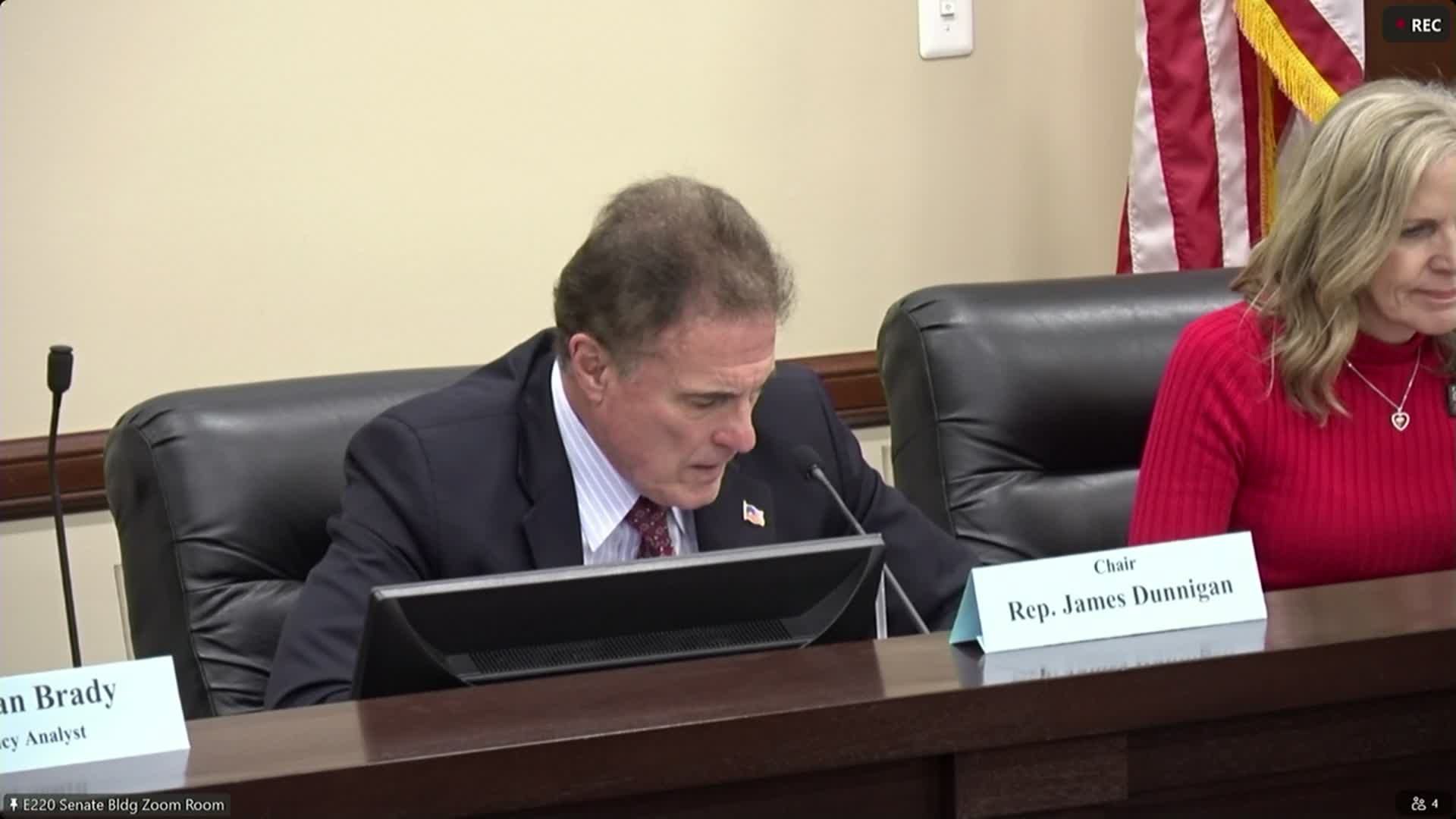
Summary
Representative Auxier’s second substitute to HB 332 would require school districts to prioritize general obligation bonds and prohibit P3 financing; school officials and associations warned it would remove a needed financing tool, and the committee voted to hold the bill for further study.
SALT LAKE CITY — A proposal to restrict how school districts finance construction — prioritizing general obligation (GO) bonds and barring public-private partnerships (P3s) and some lease-revenue mechanisms — was put on hold Feb. 14 after an extended committee debate and unified opposition from district officials and associations.
Representative Auxier introduced the second substitute to HB 332, saying the measure responds to repeated local cases in which voters rejected a bond but a district then pushed the same project forward using a lease-revenue bond or other tool. “I would rather have them go back to their communities and look for different cost savings,” the sponsor said, arguing for greater voter input and more predictable oversight.
John Larson, business administrator for Jordan School District, and Ben Horsley, superintendent of Granite School District, urged the committee to oppose the substitute. Larson said it would “remove a vital tool from our publicly elected officials' tool belt,” noting LRBs can avoid raising taxes and offer flexibility such as prepayment options and shorter terms. Horsley described using a lease-revenue bond after the March 18, 2020, earthquake to rebuild a damaged school quickly while insurance and FEMA reimbursements were pending; he said an LRB saved time and money and helped restore classroom space without immediate tax increases.
Lexi Cunningham, representing Utah’s school superintendents, boards and business officials, said those organizations voted not to support the bill. Committee members debated trade-offs: some said districts should be accountable to voters and that re-creating projects after voter rejection is problematic; others warned the bill would remove a flexible tool used for emergencies and small projects.
Representative Tusher moved — and the committee adopted — the second substitute. A subsequent motion to hold the bill prevailed after members voiced concern that the substitute needed more nuance, countrywide thresholds or an interim study to craft a better solution. The committee voted to hold the bill for further consideration rather than advancing it this session.
What happens next: Committee members suggested an interim study and further drafting in coordination with education committees and affected districts.