Get Full Government Meeting Transcripts, Videos, & Alerts Forever!
Get email alerts on the Transportation Safety topic
No spam. Unsubscribe anytime.
House advances rules for e-bikes, scooters and high-powered electric devices
Summary
Lawmakers approved third substitute HB381 to clarify device classes, age limits and optional safety training for e-bikes and scooters; sponsors emphasized safety and training while some members sought clearer language on highway access and age thresholds. The bill passed 55–15.
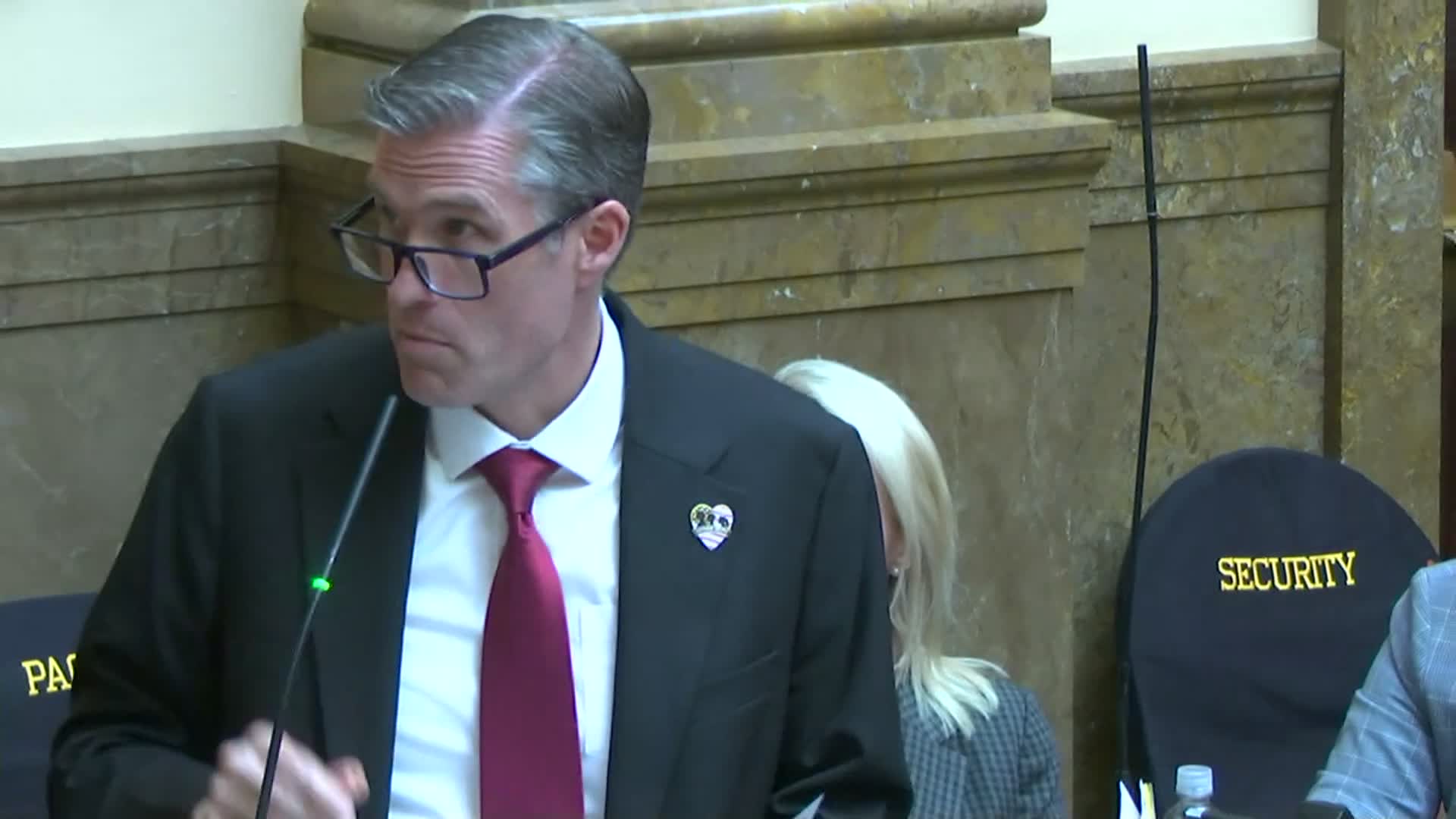
The Utah House on Feb. 12 approved third substitute HB381, a package of amendments that updates state rules for electric mobility devices including e-bikes, e-scooters and a newly defined category of "high-powered electric devices." Representative Paul A. Cutler, sponsor of the substitute, said the changes aim to simplify enforcement and give parents more information about safe devices for children.
Cutler described distinctions between pedal-assist e-bikes (class 1 and 3) and throttle-powered devices that can exceed 20 miles per hour. The substitute sets a 20 mph threshold for devices considered low-powered; devices capable of going faster on throttle alone are classified as high-powered and will require a driver’s license to operate on a highway. The substitute also raises or clarifies age and training requirements: children between 8 and 15 may operate certain devices if supervised, or they can obtain a short safety certificate after training to ride without supervision; 16 and older are generally assumed to have adequate training.
Members pressed for clarifications. Representative Grama warned the language could unintentionally permit 8-year-olds to operate on high-speed corridors; Representative Cutler said the sponsor would work with the drafting attorney to remove any ambiguity and pointed out new line edits intended to address the concern. Representative Auxerre, Representative Chevrier and others questioned the definitions of "highway" and how law enforcement would verify certificates; Cutler said certificates could be printed or downloaded to a phone and would be a secondary check rather than a primary stop.
The House adopted the third substitute and passed HB381 by a recorded vote of 55 "yay" and 15 "nay." The bill will be transmitted to the Senate.