
Committee advances SB 19 substitute to reduce digital forensics backlog
Get AI-powered insights, summaries, and transcripts
Subscribe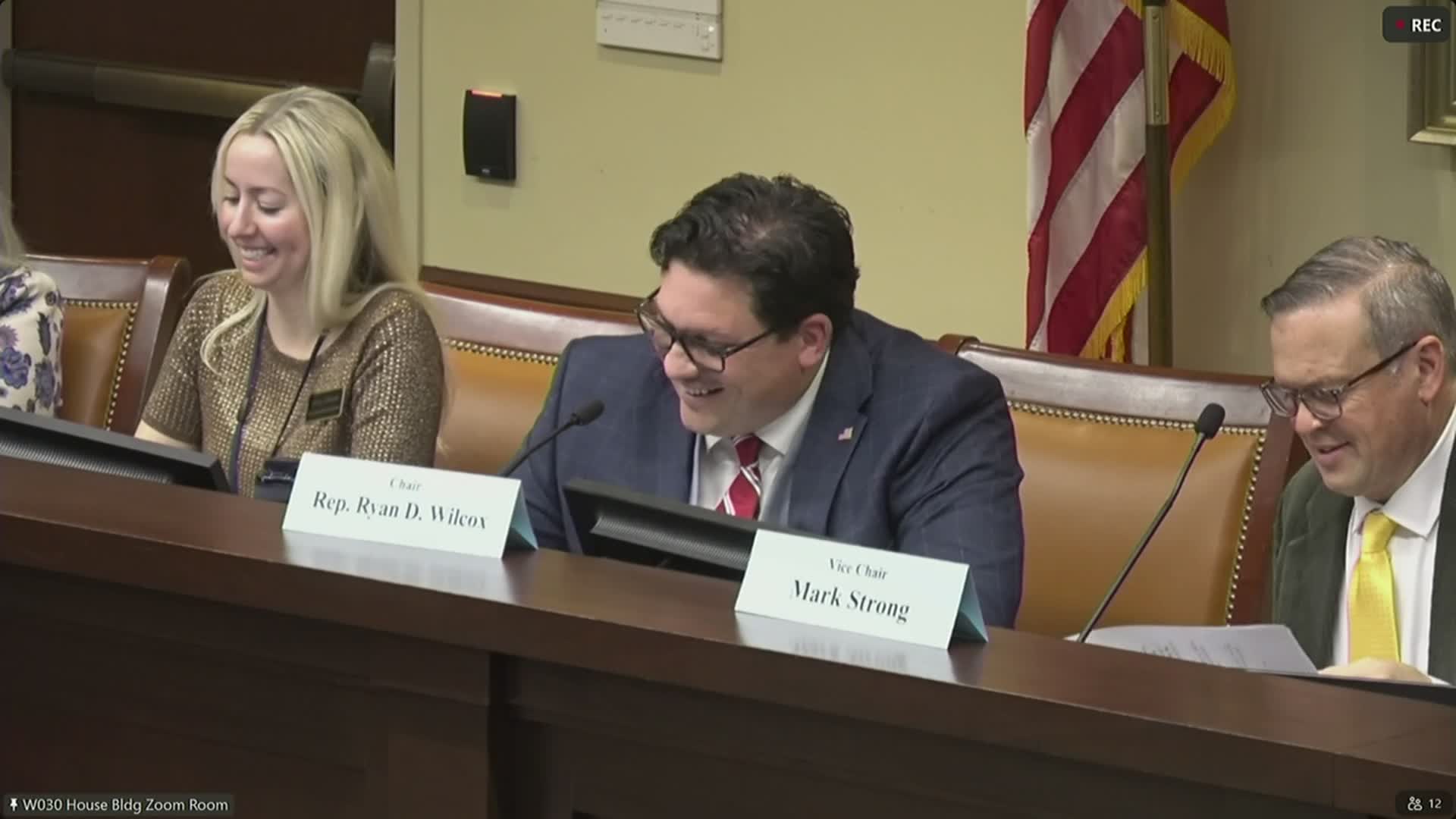
Summary
Lawmakers advanced a substitute to SB 19 aimed at cutting RCFL backlog by requiring agencies to attempt in‑house or interagency analysis of cell phones and tablets and reserving RCFL for harder devices; the substitute removed a proposed fee.
The House Law Enforcement and Criminal Justice Committee on Feb. 14 passed a substitute to SB 19, a measure designed to reduce delays at the regional computer forensics lab (RCFL) by steering simpler mobile‑device work to local agencies.
The sponsor said the original idea included fees for agencies that send devices to RCFL but that stakeholders collaborated to reach a substitute that removes fee requirements. Under the substitute, agencies would either build the capability to examine phones and tablets or enter agreements with neighboring jurisdictions to do so; only devices that local units cannot crack would go to RCFL.
Carl Holland, executive director of the Statewide Association of Prosecutors, and Nate Mudder, chair of the Law Enforcement Legislative Committee, testified in support, praising stakeholder engagement and the bill’s potential to increase efficiency at RCFL. Committee members discussed procurement and equipment costs, noting device‑cracking tools (e.g., CellBright) are expensive and that some agencies already send officers to use RCFL kiosks.
Representative Ballard moved to pass the substitute favorably and the committee approved SB 19 by voice vote. The substitute removes the originally proposed fee and relies on interagency agreements and local capability building as the primary mechanism to reduce backlog.
Next steps: SB 19 will proceed to the House floor for further consideration.