Get Full Government Meeting Transcripts, Videos, & Alerts Forever!
Get email alerts on the Judicial Transparency topic
No spam. Unsubscribe anytime.
Judicial‑transparency bill held then advanced after sponsor pledges privacy fixes
Summary
Representative Monson’s bill to create a single public court‑records portal, provide free audio access, require judicial financial disclosures, and add a two‑year cooling‑off period prompted strong public comment about victim privacy and separation of powers; the committee initially voted to hold HB 540 6–5 but later reconsidered and advanced the bill with commitments to address privacy and practice‑of‑law concerns.
Representative Monson presented HB 540 with four main goals: a searchable online access point for public court records (with a limited number of free searches), free access to court audio recordings, direction to the Judicial Council to adopt judicial financial‑disclosure rules, and a two‑year ‘‘cooling‑off’’ period intended to limit retired judges from immediately joining private firms litigating the state.
Court administrators and organized bar groups praised efforts to improve transparency but urged caution. Michael Drexel (assistant state court administrator) said the courts had been productive partners and welcomed further collaboration. The Utah State Bar and defense‑attorney groups opposed aspects of the bill as drafted, warning that easy access to audio and records could expose sensitive victim or juvenile information, chill participation and create privacy and safety risks. Defense attorneys and bar officials also argued the measure could stray into regulating the practice of law and duplicating existing ethics and recusal rules.
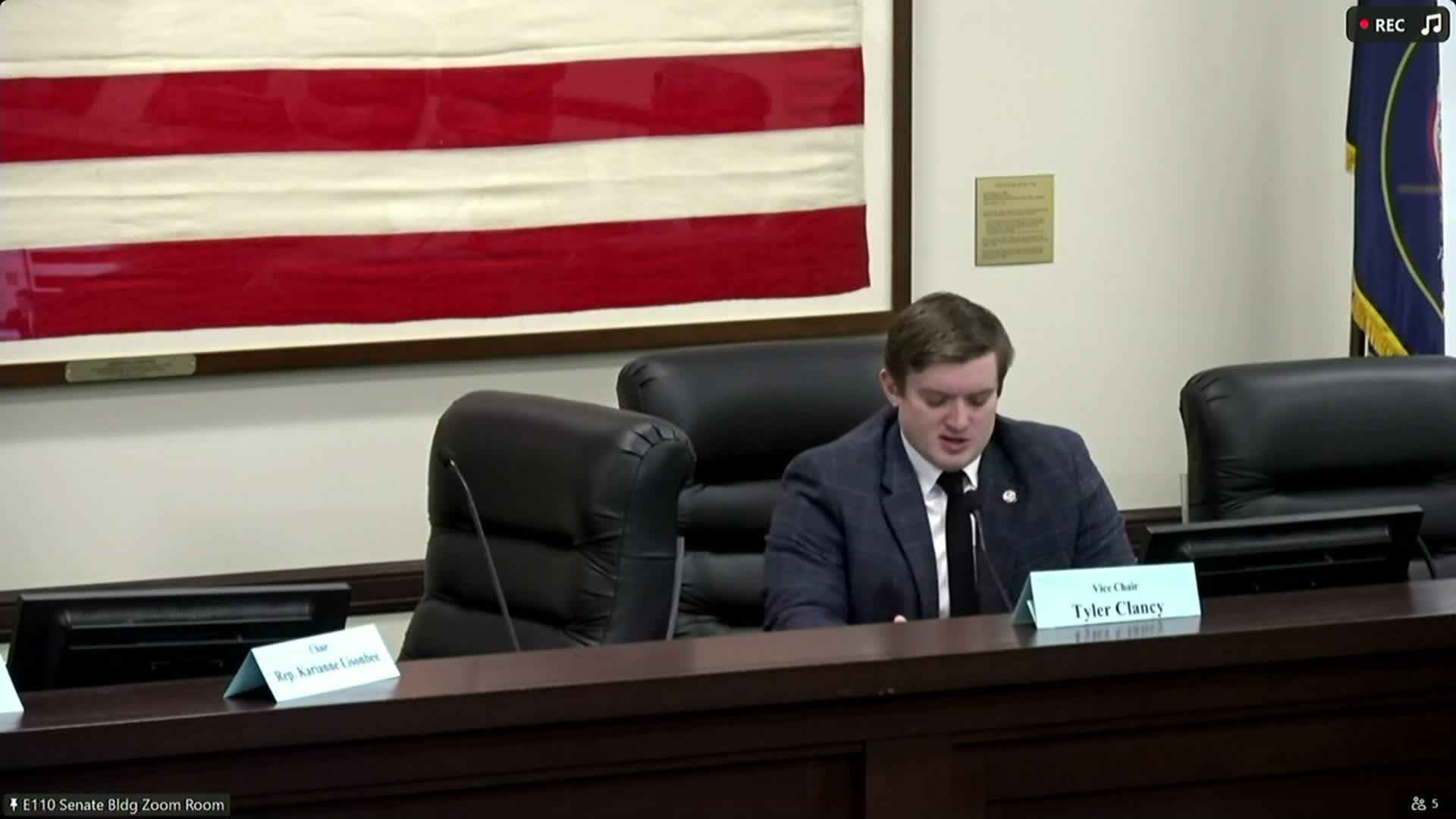
After substantial debate the committee voted to hold the bill (6–5) to allow further stakeholder negotiation. Representative Thompson later moved to reconsider; after the sponsor committed to work on subs addressing victim privacy, professional‑practice questions and other technical issues, the committee reconsidered and favorably recommended the first substitute to the House floor. Members insisted subs be drafted to protect victim and witness privacy and to coordinate rulemaking with the courts and the Judicial Council before floor debate.