Get Full Government Meeting Transcripts, Videos, & Alerts Forever!
Get email alerts on the Housing topic
No spam. Unsubscribe anytime.
Council approves rezoning amid heated public comment over proposed tiny-home workforce development
Summary
Council voted to advance a comprehensive-plan amendment and rezoning for two parcels on East Market Street to allow a proposed cottage-/tiny-home workforce housing development; the move prompted extensive public comment both opposing the site and supporting more affordable housing options.
The Georgetown Town Council moved forward with a comprehensive-plan amendment and rezoning for two parcels at 501 and 503 East Market Street that the town manager said total roughly 0.91 acres and would change from Highway Commercial to Urban Residential to enable a proposed cottage-style housing project.
Linda Dennis, chair of the Supportive Housing Issues Committee, told council the committee voted to recommend the town 'approve smaller cottage-style houses like the model described as Little Living' as one option for workforce housing; she said the motion passed on a majority but was not unanimous and that two committee members dissented. Dennis also reported a potential state-level funding source she described as the "Rural Health Transformation Fund" that local lawmakers have suggested might include homeless services allocations.
A project representative identified in the public comment period as George described the planned units in detail, saying the smallest one-bedroom unit would be about 475 square feet with a full kitchen and bathroom and that rents would be roughly $950 per month; two-bedroom units were described at about 650 square feet and three-bedrooms just over 800 square feet. He said units would be long-term rentals (minimum one-year leases), targeted at workers earning roughly 50—2 to 80% of area median income, and that his organization would operate the property on a not-for-profit basis.
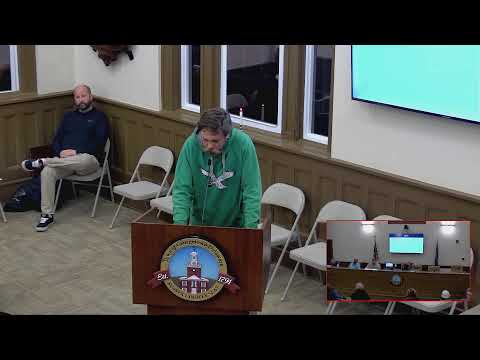
That description drew sustained pushback from residents at the microphone. Sue Barlow said senior homeowners were facing higher taxes and feared the development would depress property values; others asked why the site was chosen, raised concerns about parking and density, and urged the council to look for alternative town-owned parcels. Some speakers urged the council to finish committee work before sending recommendations to council and to ensure adequate planning review.
Supporters and other residents offered counterpoints. Dennis Windry and Sunny Giani cited state reports and local housing need data indicating a shortfall of affordable workforce housing and argued the parcels met state guidance for infill development where infrastructure exists. Several residents urged the council to streamline permitting to encourage small developers.
At the vote, the council approved the ordinance to amend the comprehensive plan and rezone the two parcels (Ordinance 2026-01) by roll call; the manager said the change will still proceed through planning review and additional approvals. The manager added he is discussing planning recommendations that could alter density or placement before final permitting.
The council's action changes the parcels' future land use designation and zoning but does not by itself authorize final site plans or building permits; those remain subject to planning review and any conditions imposed by the planning commission or council.