Get Full Government Meeting Transcripts, Videos, & Alerts Forever!
Get email alerts on the Human Trafficking topic
No spam. Unsubscribe anytime.
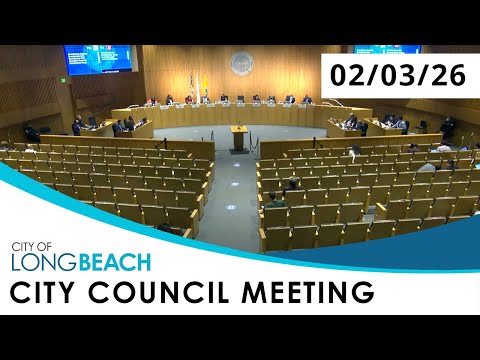
Long Beach adopts REACT framework to coordinate anti‑trafficking response on Long Beach Boulevard
Summary
The City Council adopted the REACT strategic framework to coordinate prevention, survivor support, economic investment, advocacy and regional partnership along the North Long Beach Boulevard corridor and directed staff to report back in 45 days on implementation options. The adoption does not authorize new staffing or funding today.
The Long Beach City Council voted to adopt REACT, a five‑pillar strategic framework intended to unify the city's public‑health, public‑safety and anti‑trafficking work along the Long Beach Boulevard corridor.
Councilwoman Thrash Ntuk, who sponsored the item with Councilmember Rick Sodhi, said the plan organizes the city's response into five interconnected pillars — Report, Economic investment, Advocate, Community budget and Tri‑city Partnership — and stressed that the framework is designed to promote survivor‑centered services and regional coordination. "This framework matters and this work matters," Ntuk said, arguing the approach helps move the city from fragmented response to an aligned strategy.
The REACT framework emphasizes improved data collection and reporting to identify patterns of activity and measure what is working (Report); economic and zoning tools to reduce conditions that enable illicit activity while supporting small business (Economic investment); a legislative and intergovernmental advocacy role to secure stronger state and federal tools and survivor resources (Advocate); community‑directed budgeting to allow residents to guide anti‑trafficking spending (Community budget); and formal coordination with neighboring jurisdictions including Compton and Lynwood (Tri‑city Partnership).
During public comment, members of the Long Beach Human Trafficking Task Force and other community speakers urged faster implementation and more transparent accountability. Mariah Seway, a core member of the task force, said survivors benefit when "systems finally worked together" and called for the city to align services so victims do not have to navigate fragmented systems alone. "At 16, I was preyed upon. At 17, I was fully groomed," Seway testified, framing the council's action as a prevention imperative.
Councilmembers repeatedly stressed that adoption of REACT establishes a policy architecture and direction only. The motion adopted directs the city manager to report back within 45 days with a high‑level implementation update that will identify partnership opportunities, gaps and budget considerations for FY27; councilmembers made clear any request for new staffing or budget allocations would return to the council for approval.
The item passed with a recorded statement that the "motion is carried"; the transcript does not include a roll‑call tally in the public record. Next steps for REACT include the 45‑day report from staff and subsequent community engagement and budget discussions to determine whether and how the city will fund new or expanded programs.