
Murphysboro board hears $5.3M financing plan to finish high school gym, weighs parking expansion
Get AI-powered insights, summaries, and transcripts
Subscribe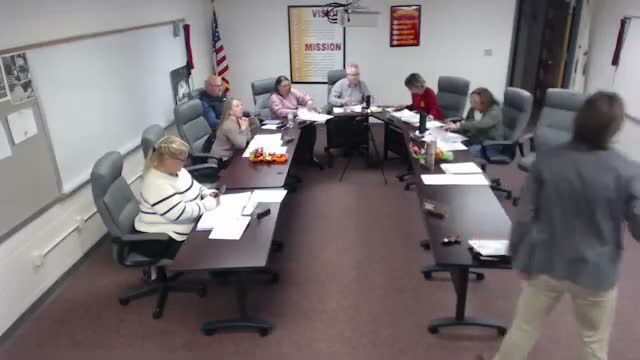
Summary
School officials told the board Jan. 26 that roughly $5.3 million in debt certificates will be needed to complete the Murphysboro High School gym; the board also discussed a proposed parking expansion that would add roughly 118 spaces but may require FEMA and federal permits and risk downstream flooding.
Murphysboro CUSD 186 officials told the school board on Jan. 26 that they expect to seek at least $5.3 million in debt certificates to finish construction of the new Murphysboro High School gym and discussed whether to include a larger parking expansion in the financing plan.
Jason Pinkerton, a financial consultant with DMA, outlined a financing package he said would allow the district to finish the gym and preserve options for future projects. Pinkerton described two linked elements: issuing about $5.3 million in debt certificates over a 10–15 year term to cover outstanding gym costs, and a potential later issuance of roughly $5 million in alternate‑revenue bonds (paid from the county school facilities sales tax) for projects such as a Carruthers auditorium/kitchen remodeling. "To borrow $10,300,000, the district's final payment would be in 2042," Pinkerton said, explaining the tradeoff of longer payment terms and coverage constraints.
Why it matters: The board has already spent a portion of the gym budget and the district faces immediate cash needs to pay contractors. Approving debt certificates would allow construction to continue, but it would lock a significant share of the county facility sales tax stream to debt service for many years and limit other financing options without further board action.
The architect and construction manager reported steady progress inside the building—maple flooring being acclimated and installed, LED boards and speaker systems in place and interior finishes advancing—but noted several exterior items remain, including custom Trespa panels that are on back order. The contractor said a March substantial‑completion target is "realistic" for most interior work but that the exterior panels may not arrive in time. The contract, as described, contains no liquidated‑damages clause for missing the March date; the contractor said the practical repercussions are reputational and could affect future contracting decisions rather than immediate financial penalties.
Board members and the design team spent extensive time on a proposed parking expansion east of the construction fence. Presentation slides showed existing parking counts (about 195 spaces on one lot and 127 on another) and estimated a loss of about 74 spaces because of the new bus/drop design; one proposed layout would add roughly 118 spaces but would place new asphalt inside a mapped flood plain. Speaker 11 (design lead) warned that building in the lower area would trigger permitting from FEMA, the Illinois Department of Natural Resources and potentially the U.S. Army Corps of Engineers, with permit review timelines the team estimated at 30–90 days.
Trustees expressed concern about increasing runoff onto downstream neighbors. One board member said preserving mature oak trees near the site had been a priority; designers responded that moving the lot to higher ground could avoid flood‑plain permitting but might require substantial grading ("thousands of dollars of dirt work") and still provide fewer than 118 spaces. Administrators noted the parking tradeoffs affect daily staff use less than occasional large events (graduations, tournaments, festivals) and that any expansion would be competitively bid and could be declined if bids exceed expectations.
Financial details cited at the meeting: the district's county school facilities tax provides roughly $2,000,000 per year in pledged revenue; the district's debt‑service extension base (DSEB) was stated at $704,000; the state's statutory levy debt limit figure discussed was about $22,000,000 (presentation context). Pinkerton reported modest refunding savings available on callable 2019 bonds (present‑value savings cited at about $61,000 and an overall interest reduction estimated at roughly $85,000), but noted the primary purpose of the immediate certificates is to finish the gym rather than to capture large interest savings.
What happens next: Pinkerton and district staff said there is no vote tonight on alternate revenue bonds, but a parameters resolution for debt certificates will need board action next month if the district intends to issue the minimum $5.3 million to complete the gym. The board asked staff to return with refined cost estimates and alternative parking designs that reduce floodplain and tree‑loss impacts before any final funding commitment.