
House committee gives do‑pass recommendation to bill expanding public‑works apprenticeship contributions after heated debate
Get AI-powered insights, summaries, and transcripts
Subscribe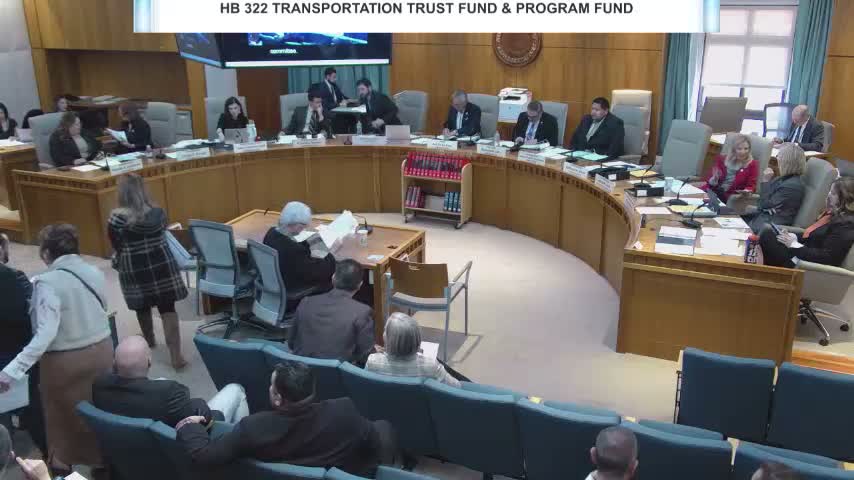
Summary
After hours of testimony for and against, the committee voted 6–5 to give House Bill 270 a do‑pass recommendation. Supporters said the bill closes a long‑standing exemption and funds apprenticeships; contractors warned a 60¢ per‑labor‑hour contribution would raise project costs and penalize firms without access to certified programs.
The House committee considered House Bill 270, legislation that would require most public‑works contractors to either participate in state‑approved apprenticeship and training programs or contribute to a public‑works apprenticeship and training fund. Sponsors and witnesses said the bill clarifies a 1992 framework and closes an exemption that has left some contractors from paying into training funds for decades.
Supporters from labor and apprenticeship organizations told the committee HB270 would help grow a skilled, in‑state construction workforce. Rosendo Najad, president of Carpenters Local 1319, said the bill aims to "justify or fix an imbalance that we've had on our prevailing wage for quite some time in New Mexico" and argued that contractors whose work is largely publicly funded should contribute to training. Joan Baker of United Association Local 412 cited federal research and told the committee "every dollar invested into registered apprenticeship has a $28 return on investment in public benefit."
Opponents — largely contractors and industry groups — said the measure could increase construction costs and penalize small, rural and nonunion firms that lack access to state‑approved apprenticeship programs. Jane Jernigan of the New Mexico Utility Contractors Association argued that many trades already run effective in‑house training and that forcing payment into a fund that does not directly benefit a contractor’s workforce is unfair. Jim Garcia of the Associated Contractors of New Mexico warned passage would be "the equivalent to taxation without representation."
Members probed implementation details at length. Sponsors and staff described three paths for compliance: certify an in‑house program with the Department of Workforce Solutions and owe nothing; contract with a certified trainer; or, absent those options, pay the statutory contribution (set at 60¢ per labor hour). Witnesses and panelists noted existing federally approved programs for highway work, and DOT officials and apprenticeship experts discussed program capacity, certification timelines and the possibility of using trust funds to expand training slots.
A floor amendment offered during committee (added language to exempt projects with total cost of $50,000,000 or less) was characterized as "unfriendly," debated and then tabled. Representative Romero moved a "do pass" recommendation; the motion was seconded and the committee took a roll call. The chair announced a do‑pass recommendation with a 6–5 vote.
After the vote, sponsors said they were open to friendly amendments on the House floor to clarify exemption language for contractors with existing certified programs and other implementation details. Several members requested follow‑up information from the Department of Workforce Solutions and DOT about apprenticeship capacity, the amount currently in apprenticeship funds, and whether the bill conflicts with statutory language (NMSA) that defines approved training programs. The committee then heard a District 3 NMDOT presentation on projects, schedules and funding needs.
Next steps: HB270 will be reported from committee with a do‑pass recommendation and may be subject to clarifying floor amendments; committee members requested additional data from Workforce Solutions and DOT on program capacity and existing fund balances.