
Corvallis board hears long-range financial plan showing consolidation narrowed projected deficits
Get AI-powered insights, summaries, and transcripts
Subscribe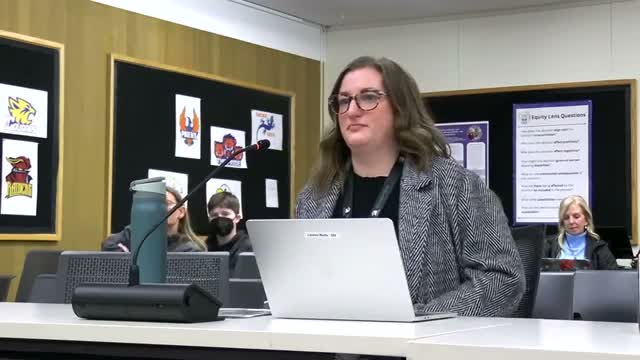
Summary
District finance staff presented a 3–5 year financial projection showing consolidation substantially narrowed previously projected multi-million-dollar deficits; board discussed enrollment decline, PERS liabilities, local option levy risks and that attrition is expected to achieve workforce alignment with lower enrollment.
Corvallis School District finance staff presented a 3- to 5-year financial forecast Jan. 15 that attributes materially improved budget projections to the district's recent consolidation decisions.
The projection shows that consolidation reduced a previously forecast multi-million-dollar shortfall and put the district on a trajectory to preserve a more stable fund balance over the coming biennia. The district noted state school fund allocations provide roughly 84% of district revenue and the local option levy provides about 16%. Finance director Lauren said the district has seen a 34% decline in births since 2016 and an overall drop of almost 1,000 students since the 2017–18 high, and that those trends are central to revenue projections.
Board members asked about risks: the local option levy failing would require significant program reductions and the district's PERS (public employee retirement) liabilities remain a substantial long-term cost driver. "If the local option levy were not renewed, that would equate to the equivalent of roughly 68.75 certified teachers," Lauren said, noting the levy also funds extracurriculars and arts. The forecast assumes staff attrition and careful alignment of staffing to enrollment will reduce the need for further program cuts in upcoming years; the board asked staff to continue refining assumptions and to present the audited financial statements when available.
Why it matters: the forecast frames the consolidation decisions as a fiscal strategy to reduce structural deficits and preserve programs, while also flagging continuing exposure to state-level changes, PERS costs and levy outcomes.
Next steps: staff will continue monthly projections, refine transportation and staffing plans tied to the early transfer window, and provide the board with audit drafts and follow-up briefings as audits and single-audit requirements are completed.