
North Wasco presents literacy data, plans $200,000 high-dosage tutoring to boost early reading
Get AI-powered insights, summaries, and transcripts
Subscribe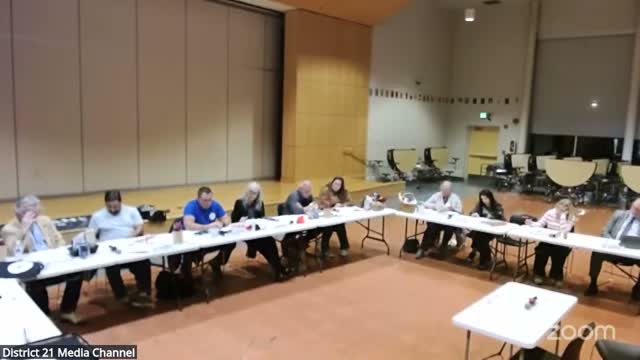
Summary
District leaders showed third-grade literacy trends, described the district's shift to science-of-reading curricula and announced the district qualified for nearly $200,000 in high-dosage tutoring funds to support K-5 students both during and after school.
District leaders presented a detailed literacy update at the North Wasco County School District 21 board meeting on Jan. 22, saying the combination of new curriculum, teacher training and targeted tutoring is intended to reverse declines in early reading proficiency.
"This month, we're talking about literacy data," Superintendent Carolyn Bernal said as she introduced the presentation on the district's assessment strategy. The presentation, led by district instructional staff identified in the packet as Dr. Ivy and Dr. Ivey, reviewed three types of assessment used in Oregon and how the district is using them to track student growth.
The presenters described assessments of learning (statewide OSAS tests), assessments for learning (interim assessments such as i-Ready) and assessments as learning (local performance tasks). "We are using I-Ready interim assessment data to reflect and improve instruction," a district presenter said. The board was shown statewide third-grade proficiency patterns and then North Wasco-specific results that mirrored the state trend: a drop in proficiency after the COVID years with modest growth in 2024–25.
District staff said the district has adopted instructional materials aligned with the science of reading, is training teachers through regional partners and has qualified for high-dosage tutoring funds. "We have received those dollars. We'll get approximately close to $200,000 over the next two years," a presenter said, describing a plan to use the funds for intensive tutoring (1-to-4 student-to-instructor ratio) during school and in after-school programs.
Board members questioned how assessment timing, schedule formats (trimesters) and virtual programs affect results. Director Kramer and others urged attention to community supports and early-learning access, noting many students arrive to kindergarten behind expected markers. The district said it will report back in February with details on how in-day and after-school tutoring will be scheduled and how growth will be tracked across I-Ready windows.
The presentation emphasized that interim assessments will be used to measure growth rather than relying on a single summative score. "It's not just looking at achievement, but where did you start and where do you want to go," a presenter said.
The board concluded the data segment by asking staff to return with ninth-grade-on-track measures at a future meeting and to supply more district-level trend data in areas raised by board members, including pre-COVID baselines and subgroup breakdowns.
The district said current literacy work also includes reading specialists in elementary schools (Title teachers) and layered interventions, such as WIN (What I Need) time and expanded tutoring funded by the high-dosage grant.