
Tribal and urban programs cite youth gains, call for workforce investment to sustain culturally centered care
Get AI-powered insights, summaries, and transcripts
Subscribe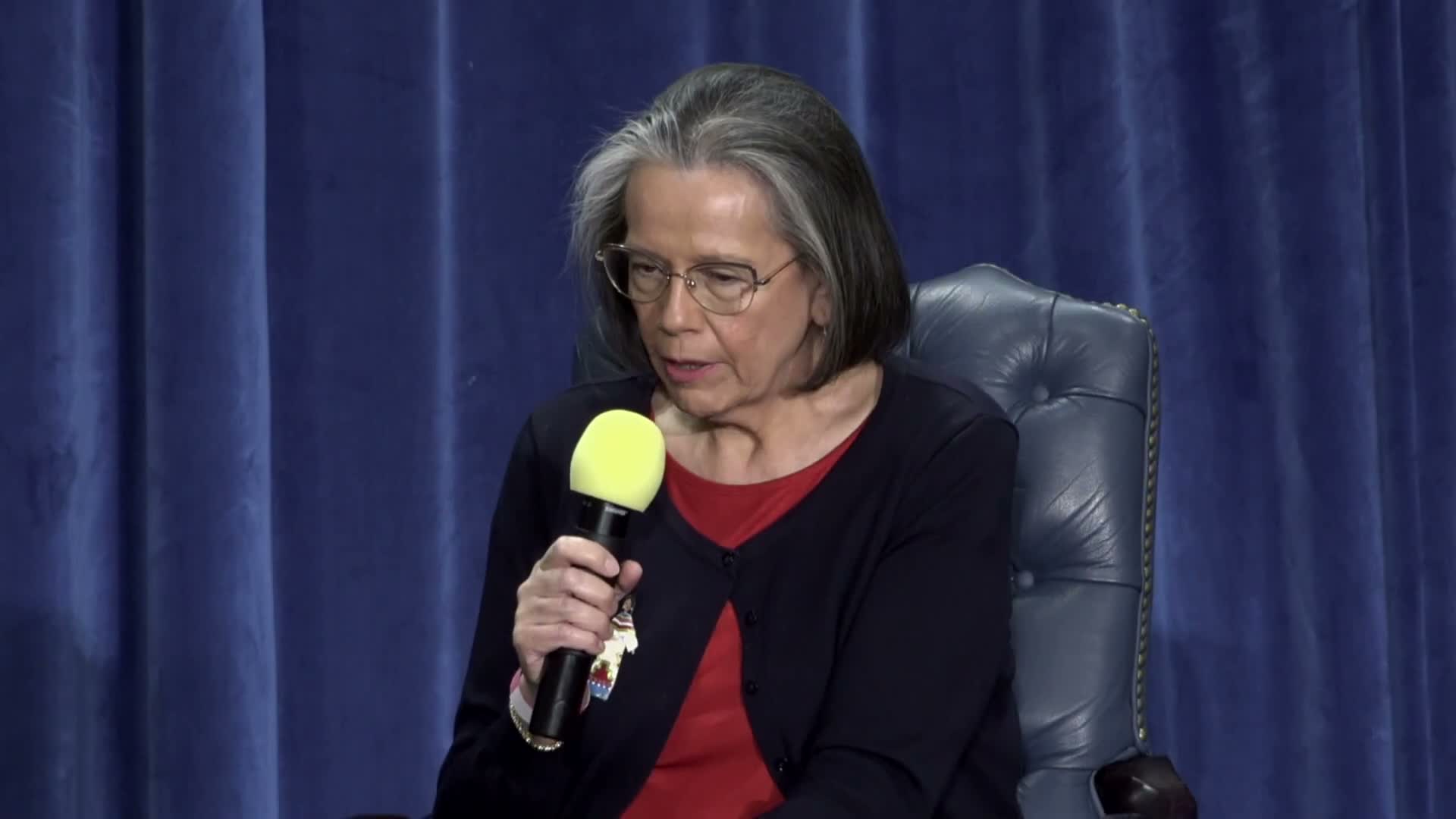
Summary
Panelists highlighted youth-focused programs that integrate traditional foods and knowledge (SDPI-funded initiatives and a youth program reporting a 10% drop in suicide ideation), and warned of provider shortages that require long-term investment in training and self-governance.
Tribal and urban health leaders at the Indian Health Service’s 70th-anniversary panel pointed to community programs that pair traditional foods, cultural teachings and activity with clinical services and said those programs show promising local outcomes.
Geralyn Church, president and CEO of the Great Plains Tribal Leaders Health Board, described a 'connecting with youth' program at Oyate Health Center that brings knowledge keepers into youth programming. “What we've seen is a 10 percent drop in suicide ideation and attempts,” Church said, presenting that figure as a program-reported outcome. The panel did not provide independent verification of the statistic during the session.
Panelists also described diabetes-prevention work under SDPI (Special Diabetes Program for Indians), including gardens with traditional foods and activities that reintroduce local foods and exercises. Michael Waiake cited his tribe’s SDPI-funded healthy lifestyle program, listing traditional foods, hunting and community relay races as components used to support prevention.
Speakers said these community-rooted programs work best when they are community-driven, guided by knowledge keepers, and incorporated into clinical offerings through advisory committees. Church described creation of a committee referred to in the transcript as 'Wiyaksepa' that meets quarterly to advise on appropriate clinical integration and boundaries between clinic-based care and external ceremonial activities.
Several panelists warned the ITU system faces a long-term provider shortage. Walter Morello urged investment in youth education and workforce development now to ensure a generation of providers in 20 years, and he recommended expanded support for tribal self-governance and urban innovation as pathways to grow the workforce.
The panel ended with a call for continued community-led program development, workforce pipeline investment, and federal funding models that enable culturally centered prevention and treatment to scale.