Get Full Government Meeting Transcripts, Videos, & Alerts Forever!
Get email alerts on the Traditional Healing Integration topic
No spam. Unsubscribe anytime.
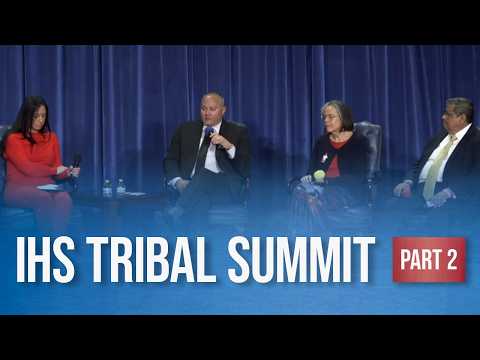
Panel: Indian health leaders push to integrate and formally recognize traditional healing in clinical care
Summary
Panelists at the Indian Health Service’s 70th anniversary said traditional cultural and spiritual practices should be integrated into clinical care, urged federal policy flexibility for credentialing and reimbursement (including CMS 1115 waiver models), and highlighted Phoenix Indian Medical Center’s new chaplain role.
At a panel marking the Indian Health Service’s 70th anniversary, tribal and urban health leaders said traditional healing and spiritual practices should be treated as core components of clinical care rather than ancillary services. Walter Morello, CEO of Native Health’s Phoenix Urban Program, and others described multi-decade efforts to formalize traditional healing so it can be integrated into modern care and reimbursed.
“It's not a new service. We've been doing it for decades,” Morello said, describing work in Arizona to translate long-standing tribal practices into processes compatible with health-care credentialing and payment systems. He said that process included seeking a CMS 1115 waiver to recognize and reimburse traditional healing as part of behavioral and primary-care referrals.
Federal representatives on the panel said some federal sites have already taken steps to make room for traditional practice. A Phoenix Indian Medical Center initiative includes a formal Traditional Cultural Advocacy Committee and, as one panelist noted, the hiring of a board-certified chaplain, Charles Parker, to help bridge clinical policy and traditional practitioners. “They chair that committee and work with the traditional practitioners to make sure the sweat lodges are being facilitated appropriately,” the federal panelist said.
Panelists identified several practical hurdles: how to define credentialing or community recognition for traditional practitioners, how to structure honoraria versus fee-for-service reimbursement, and how fire codes, facility policies and scheduling intersect with ceremony timing. They urged tribally led processes and interorganizational collaboration so communities determine appropriate methods for identifying recognized practitioners and for documenting services without eroding cultural norms.
Panelists also cautioned that policy models must account for regional diversity. Geralyn Church, president and CEO of the Great Plains Tribal Leaders Health Board, said what counts as appropriate traditional practice varies across regions and should be guided by local knowledge keepers and advisory bodies.
The panel closed with calls for ongoing demonstration projects, continued federal–tribal coordination, and carefully designed payment models that respect cultural protocols while enabling clinicians to refer patients to recognized traditional services.