Get Full Government Meeting Transcripts, Videos, & Alerts Forever!
Get email alerts on the Gme Funding topic
No spam. Unsubscribe anytime.
Tribal leaders push for recurring GME funds, tax relief on loan repayment and stable telehealth reimbursement
Summary
Panelists from the Oglala Sioux Tribe and Choctaw Nation told an IHS panel that sustainable graduate medical education funding, removing tax burdens on IHS loan repayment programs, and consistent telehealth reimbursement are top priorities to retain clinicians in rural tribal areas.
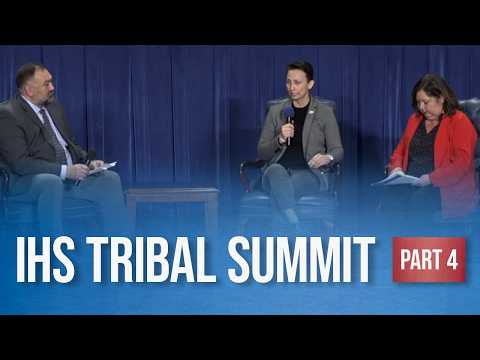
At a Department of Health and Human Services–produced panel, tribal leaders outlined specific policy priorities they said would shore up clinician pipelines in tribal areas.
Melanie Forkiller, director of the Office of Self Governance for the Choctaw Nation, described how the Choctaw Nation’s rural graduate medical education (GME) program began with a HRSA teaching health center grant — a competitive, non‑recurring award that "defrays costs" but does not guarantee long‑term funding. "That program can stop," Forkiller said, noting travel, housing and stipend supplements the tribe must pay to support residents in rural rotations.
Forkiller recommended more reliable, recurring federal funding for rural GME programs, tax incentives for providers practicing in shortage areas, and stable telehealth reimbursement across payers so telemedicine remains viable after temporary pandemic-era expansions. "Stability of telehealth reimbursement" was described as essential for building specialty access and maintaining continuity.
Alicia Massot urged tribal leaders to pursue local legal and policy tools while federal fixes are sought. She said Pine Ridge passed a resolution allowing non‑native health workers to use tribal clinics for routine care so they do not lose a full day traveling to outside providers — a local step the tribe took to improve retention.
The panel also raised a technical but consequential fiscal issue: loan repayment tied to IHS programs is taxed in some cases, creating a disincentive. "IHS does, but VA doesn't," Massot said, urging coordination with the U.S. Department of the Treasury to remove federal tax burdens on IHS loan repayment. Panelists also noted that philanthropic funding to tribes is small; panelists stated roughly 0.4% of philanthropic dollars go to tribal communities and called for tapping philanthropy as well as federal and tribal funds.
No formal policy was enacted at the panel; speakers said action will require interagency and congressional attention, alongside tribal resolutions and philanthropy.
The panel was produced by the U.S. Department of Health and Human Services.