Get Full Government Meeting Transcripts, Videos, & Alerts Forever!
Tribal leaders and IHS officials cite housing, education and community ties as central to retaining health workers
Summary
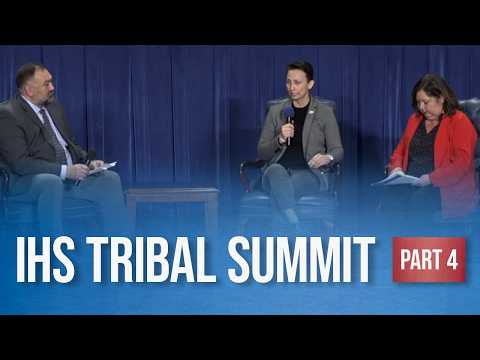
At an Indian Health Service panel produced by HHS, tribal leaders from Oglala Sioux Tribe and Choctaw Nation told IHS officials that housing shortages, weak school systems and lack of community integration make it hard to recruit and keep clinicians in tribal areas, and described local strategies to build trust and retention.
Mitchell (Mitch) Thornbruw, chief information officer for the Indian Health Service, moderated a panel on resilient tribal communities that focused on how social and economic conditions shape health outcomes and provider retention.
Alicia Massot, vice president of the Oglala Sioux Tribe and chair of the IHS Direct Services Tribal Advisory Committee, and Melanie Forkiller, director of the Office of Self Governance for the Choctaw Nation, said housing shortages, under-resourced schools and limited local employment make it difficult for clinicians and their families…
Already have an account? Log in
Subscribe to keep reading
Unlock the rest of this article — and every article on Citizen Portal.
- Unlimited articles
- AI-powered breakdowns of topics, speakers, decisions, and budgets
- Instant alerts when your location has a new meeting
- Follow topics and more locations
- 1,000 AI Insights / month, plus AI Chat