Get Full Government Meeting Transcripts, Videos, & Alerts Forever!
Get email alerts on the Indian Health Service 70th topic
No spam. Unsubscribe anytime.
Indian Health Service marks 70 years; leaders call for sustained funding, expedited mercury phase‑out
Summary
At a 70th-anniversary event, IHS leaders and tribal representatives celebrated the agency’s history, described persistent underfunding and announced an expedited phase‑out of mercury amalgam dental fillings with prevention emphasis by year’s end.
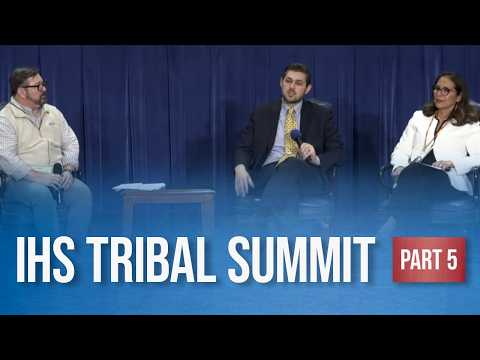
Indian Health Service leaders and tribal representatives gathered to mark the agency’s 70th anniversary and press for sustained investment and programmatic change to improve health in American Indian and Alaska Native communities.
Dr. Kim Hartwig, a board-certified family physician and director of strategic initiatives assigned to IHS, said the agency has been moving away from mercury amalgam dental fillings for years and that the administration secured endorsement from Secretary Kennedy to accelerate the work. "We did get the backing from Secretary Kennedy to push that forward and phase out with a heavy emphasis on prevention by the end of this year," Hartwig said.
The celebration mixed personal testimony and policy. Lyle Claw, acting area director for Alaska, described recovery from substance use and credited a CHAP clinic in Copper Center, Alaska, for helping him "get back on my feet," presenting that clinical and community care are central to long-term recovery. A tribal council leader identifying themself as Badger recounted years of tribal advocacy on IHS budgets and said tribal lobbying remains essential: "IHS is probably the poorest funded system in the health care in the country," they said while urging continued pressure on Congress and federal decision‑makers.
The event included a produced video summarizing IHS history and scale, noting that IHS serves roughly 2,800,000 American Indians and Alaska Natives through 44 hospitals and 384 health centers and works with urban Indian organizations. Panelists pointed to that footprint to argue for both improved clinical care and broader investments that address social determinants of health—food access, behavioral health, prevention and culturally grounded services.
Clayton Fulton, who described his work with the secretary and field engagement, framed the next phase as moving "from just tribal self determination to tribal innovation," arguing for strategic, upstream investments that yield long-term returns. Fulton highlighted a cross‑cutting approach—what he called the "Maha movement"—to examine patient experience from first contact through follow-up and tackle drivers of a 10–11 year life‑expectancy gap compared with peers.
Panelists also emphasized history and policy. The video and speakers cited the Indian Self-Determination and Education Assistance Act of 1975 as a turning point that enabled tribes to assume operations of IHS programs and reshape care delivery. Speakers stressed that many tribes now operate their own compacted facilities under Section 638 arrangements and that local control has altered service delivery in many places.
No formal votes or policy enactments occurred at the event; officials asked attendees to take the conversation into their communities and to use the reception and ensuing meetings to pursue concrete partnerships with HHS operating divisions and congressional staffers. The session closed with final remarks urging collaboration, and the program listed production credit to the U.S. Department of Health and Human Services.
Next steps identified during the session include implementing the expedited dental mercury phase‑out timeline and continuing tribal‑federal partnerships to translate prevention and social-determinant initiatives into practice.