Polk County officials describe "wetland wave" and investments to reduce nitrates
Loading...
Summary
Polk County speakers outlined investments in cover crops, saturated buffers and a county "wetland wave" program to filter water and reduce nitrates, and said the county is partnering with the Iowa Department of Agriculture and Land Stewardship; funding amounts were not specified.
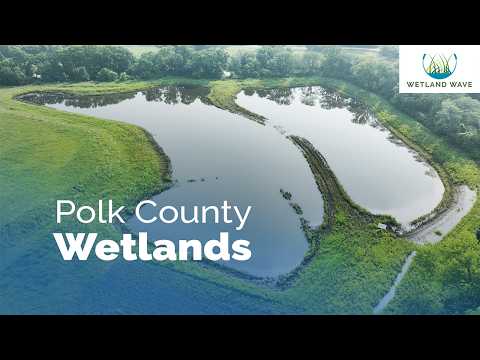
Speaker 2, a Polk County representative, said the county is pursuing a "wetland wave" to restore wetlands that filter runoff and improve water quality. "For us here at Polk County, one of the most important aspects of a wetland is they filter water very much like nature's kidney," the speaker said.
An unidentified speaker said public expectations are high that government will make "substantial investments in water quality," and linked those expectations to health concerns, including a perceived rise in cancer rates. "I think the expectation among the public is that we're going to make substantial investments in water quality," that speaker said.
Both speakers described existing and planned efforts to reduce nitrates and improve surface and drinking water. The transcript references investments in cover crops both upstream and downstream and continued investment in saturated buffer areas. The unidentified speaker also mentioned a "batch and build" program as part of those efforts; the transcript names the program but does not explain its structure or funding.
Speaker 2 said Polk County has aligned the wetland program around partnerships, naming the Iowa Department of Agriculture and Land Stewardship as a major partner and saying the agency has helped fund projects. "We've learned so much from them," the speaker said, and added that Polk County aims to be "a leading example of what a county can do" to improve water across Iowa and reduce downstream impacts, including to the Gulf of Mexico.
The discussion in the transcript is descriptive: it outlines programs and partnerships but provides no specific funding amounts, schedules, or formal board actions. Funding sources and dollar amounts were not specified in the record, and no motions or votes were recorded in the transcript. The exchange closed with speakers describing the programs as investments in public infrastructure intended to remove nitrates and restore habitat.