Grayslake CCSD 46 board presses village plan: school impact, impact fees and intergovernmental coordination
Loading...
Summary
Board members urged the Village of Grayslake to treat schools as essential infrastructure, asked for early consultation on annexations and rezoning, and proposed a governance mechanism to track development impacts on enrollment, facilities and tax revenue.
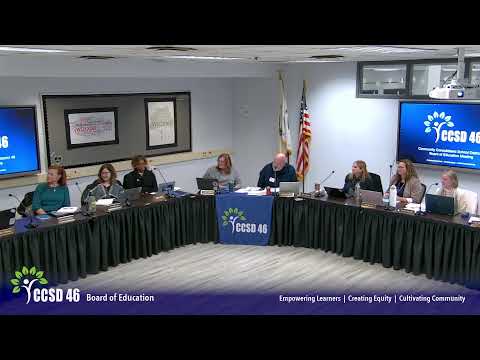
Board members spent a substantial portion of the Feb. 11 meeting discussing the Village of Grayslake planning supplement and what it means for District 46.
Multiple trustees said the supplement reads like a village 'wish list' rather than a binding forecast and raised concerns that the document understates how residential development can increase student enrollment without producing commensurate taxable assessed value. "Schools are a major decision point for whether or not families decide to live somewhere," a board member said, urging the village to recognize schools as essential infrastructure and to consult taxing bodies early in annexation and rezoning decisions.
Trustees recommended a formal intergovernmental governance mechanism—pointing to a Wilmette-style intergovernmental cooperation committee—to bring school, village, fire, library and park-district leaders together to review proposed large-scale development, share data on projected fiscal impacts, and negotiate infrastructure or impact-fee arrangements. Board members also suggested reviewing past intergovernmental agreements tied to landfill revenue to understand what projected and actual funds were distributed to taxing bodies.
Several practical items were discussed: updating impact fees to better reflect current construction costs and tax consequences, requiring village staff to consult districts before zoning decisions that could add students, and tracking whether projected economic-development revenues actually materialize. One trustee recommended treating the supplement as aspirational but to plan proactively for the district’s capacity, busing, staffing and student services if large residential projects proceed.
What's next: Board members agreed to compile comments and submit a cohesive response to the village by the Feb. 16 comment deadline; several suggested the board pursue structured, ongoing collaboration with village officials to align land-use decisions with the district's financial and capacity planning.
The exchange included policy and fiscal details but no formal motion to adopt a position as a district; members said they will return input to the board president for consolidation and submission.