Get Full Government Meeting Transcripts, Videos, & Alerts Forever!
Get email alerts on the Great Salt Lake Funding topic
No spam. Unsubscribe anytime.
Committee hears public push to move $200M to Great Salt Lake, debate over Bear River language
Summary
Lawmakers and a long list of public witnesses discussed SB 250, a proposal to move $200 million from the Water Infrastructure Restricted Account into a Great Salt Lake account to lease and secure water for the lake; supporters urged passage, while members debated removing language linked to the Bear River development.
Senator Lewin told the committee SB 250 would deauthorize language tied to the Bear River development and redirect $200,000,000 from the Water Infrastructure Restricted Account (WIRA) into a Great Salt Lake account to acquire and lease water rights for lake inflows. He said the measure would not create new taxes and is intended to match private and public funding to raise lake levels.
A steady stream of public commenters urged the committee to support the bill. Alta Fairborn, community water organizer at Utah Rivers Council, said the Bear River development would ‘‘be the death knell for the Great Salt Lake’’ because diverting 220,000 acre‑feet upstream would lower the lake over time. Joe Martindale, an 18‑year‑old organizer from Kearns, described respiratory harms and called for prioritizing health over development interests.
Dr. Caroline Joyce, speaking for herself, framed SB 250 as a fiscally responsible, prevention‑focused response that uses existing funds rather than new taxes and cited estimates of up to $31 billion in future dust mitigation costs if the lake continues to decline. Maria Archibald of Sierra Club Utah said reassigning funds already collected to protect the lake is ‘‘common sense’’ and left roughly $80 million remaining in WIRA for other projects.
Other speakers — including recreational and business stakeholders, youth organizers, and landscapers — emphasized the lake’s regional economic and public‑health importance, risks to brine shrimp that support global aquaculture, and the urgency in light of record low snowpack.
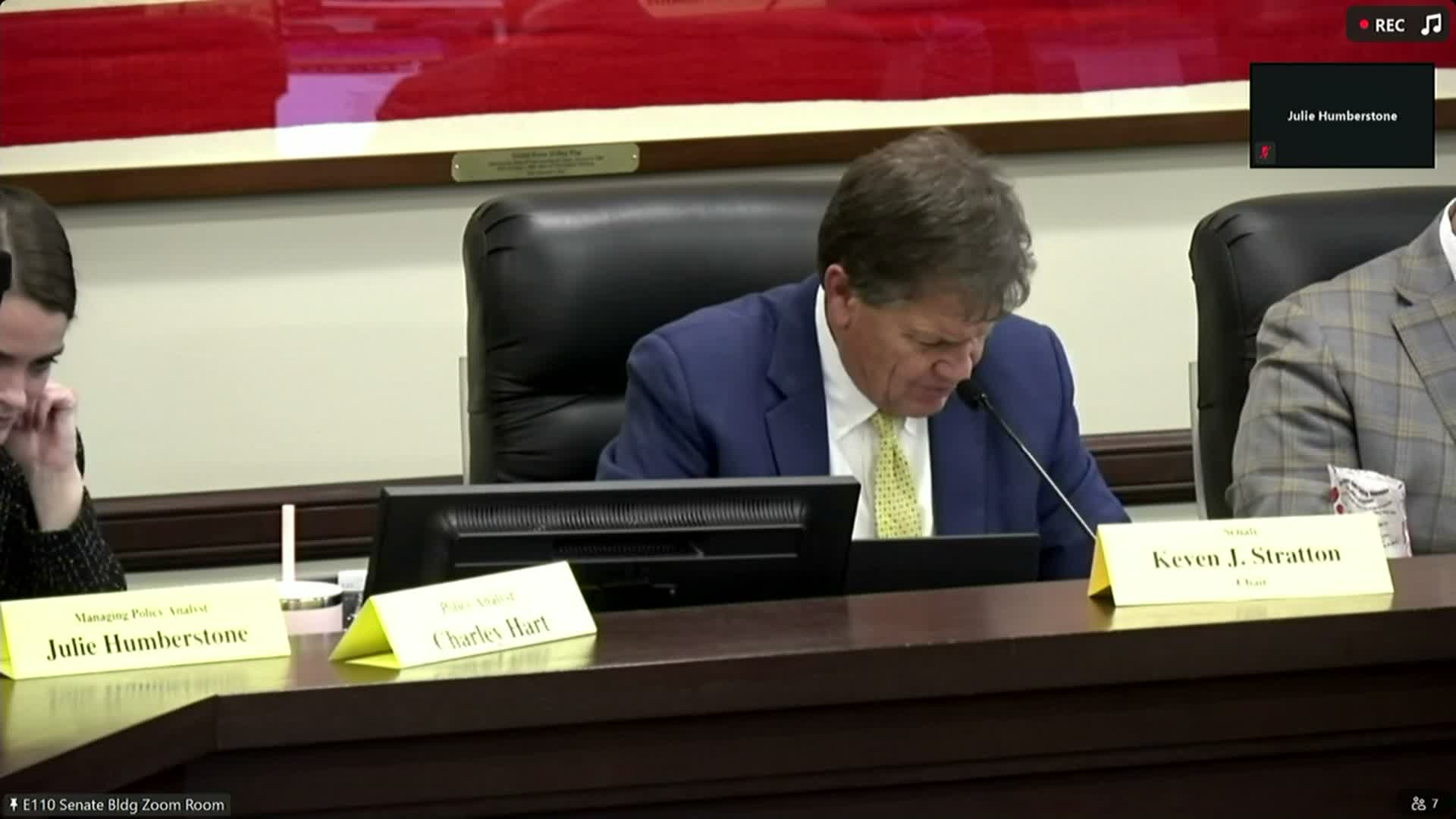
Committee members acknowledged broad public support for repurposing funds but differed on whether SB 250 should also strike statutory language authorizing the Bear River development. Several members suggested a substitute that would move the $200 million without decommissioning the Bear River project language, while others said leadership had signaled hesitancy about the Bear River project in its current form. The chair noted there was no quorum to vote and the committee will continue discussion.
What’s next: Sponsors and committee members said they would pursue follow‑up conversations, including a possible substitute that removes the Bear River language and advances the funding transfer on its own. The committee took no final vote on the underlying bill during the session.
"We don't have time to wait another year," Senator Lewin said, urging timely action on available funds to address the lake crisis.