Get Full Government Meeting Transcripts, Videos, & Alerts Forever!
Get email alerts on the School Presentation topic
No spam. Unsubscribe anytime.
Forest principal highlights curriculum gains, MTSS cycles and community partnerships
Summary
The principal of Forest (JB Forrestal/Forest Hill) told the Beacon City School District board that expanded foundations instruction, three rounds of coaching and a strengthened MTSS/IST cadence have produced projected gains in ELA and math; she also highlighted equity work, family engagement and several community grants.
The principal of Forest delivered a wide‑ranging school update to the Beacon City School District board, outlining instructional changes, data trends and community partnerships aimed at boosting student growth.
She said the district "expanded foundations into third grade" and that a Wilson Foundation specialist has completed three coaching visits with staff, providing summaries and feedback after each visit. The principal credited specialist support and additional staff roles (named in the presentation as Nadia and Amy) with stronger instructional teams and improved coaching for literacy and the math workshop model.
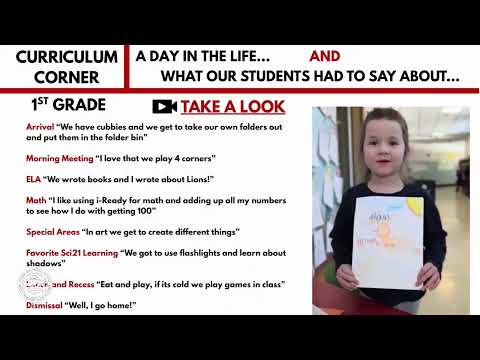
The presentation included student voice examples: a fourth grader, Amanda, reflected on work tied to the HMH ELA Module 3 text "Rent Party Jazz," and a first grader, Maggie, described writing a class book. The principal used those interviews to illustrate curriculum integration across ELA and social studies and to emphasize student engagement.
On school performance data, she said projected proficiencies if students meet stretch growth are 67% in grades 3–5 ELA and 76% in math; under a typical‑growth scenario she gave 55% projected ELA proficiency and 56% projected math proficiency. She called out a fifth‑grade gain referenced in the slides from about 57.9% to 75%, while noting a persistent cohort of students still in need of targeted intervention. She described the school's IST/MTSS cycles — meetings every six weeks — and gave a case example in which a student was moved off pull‑out AIS services after reaching a benchmark and then later reinstated when gains were not sustained.
The principal emphasized equity and social‑emotional work, describing responsive classroom strategies, a Positivity Project trait‑of‑the‑week initiative and a teacher‑compiled resource used for managing classroom language and feedback. She said some long‑tenured teachers received earlier training, but many new staff would benefit from more formal professional development in responsive classroom practices.
She also outlined community engagement efforts and small grants: the school's music teacher received a Community Foundation Hudson Valley grant for new Orff instruments, the environmental club received a Dutchess County garden grant, and the school continues partnerships with the high school for mentoring and community projects. The principal invited the public to the school's Black History Month gallery walk on Feb. 23 at 6:00 p.m.
Board members thanked the presenter and asked no substantive follow‑up questions during the session. The principal closed by reiterating that the school's combination of targeted coaching, structured MTSS meetings and community partnerships are designed to sustain student progress and address gaps when they appear.